
When a sewer pipe fails, property owners face a critical decision — tear up the yard for a full replacement, or explore a smarter, less disruptive solution. Increasingly, homeowners and commercial property managers alike are discovering the undeniable advantages of a modern no-dig approach, with sewer pipe relining emerging as the clear frontrunner in 2026.
The Old Way: Why Traditional Replacement Is Losing Ground
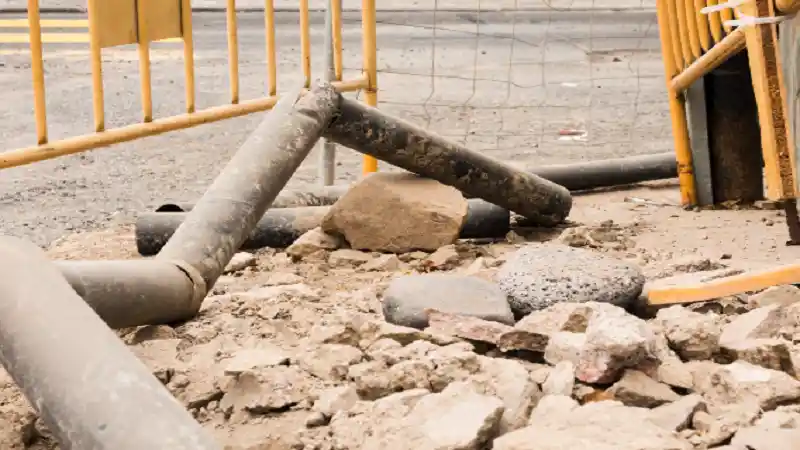
For decades, the only solution to a damaged or deteriorating sewer line was excavation. That meant heavy machinery, torn-up driveways, destroyed landscaping, and days — sometimes weeks — of disruption to daily life. The process was expensive, messy, and invasive. Restoration costs alone could rival the repair bill itself.
Today’s property owners are better informed. With access to online reviews, professional consultations, and case studies, more people are questioning whether full replacement is truly necessary before the digging even begins.
50%
Lower average cost vs. full excavation
50+
The lifespan of a cured-in-place pipe liner
1–2
Days average completion time
What Is the Relining Process and How Does It Work?
The trenchless method works by inserting a flexible, resin-saturated liner into the existing damaged pipe through a small access point. Once in place, the liner is inflated and the resin cures — either with UV light or steam — creating a brand-new, seamless pipe within the old one. The result is a structurally sound, corrosion-resistant tube that restores full flow capacity without removing the original host pipe.
“Think of it like placing a pipe inside a pipe. Once the liner hardens, you’ve essentially got a brand new sewer line — without the excavation bill or the ruined garden.”
Top Reasons Property Owners Are Making the Switch
1. Significant Cost Savings
Traditional pipe replacement involves labour, machinery hire, material costs, and then reinstatement of whatever surface was disturbed — concrete, pavers, turf, or tiling. Trenchless rehabilitation can cut total project costs by 30 to 50 percent or more, particularly on properties where the sewer line runs beneath landscaped gardens, driveways, or structural slabs. When you factor in restoration expenses, the savings become even more compelling.
2. Minimal Disruption to Property
Perhaps the biggest advantage cited by property owners is the absence of large-scale digging. The process typically requires only one or two small access points, meaning lawns stay intact, driveways remain passable, and daily routines are barely affected. For commercial properties, especially, avoiding extended operational shutdowns is a major factor in the decision.
3. Speed of Completion
While traditional excavation projects can stretch across several days or even weeks — accounting for digging, replacement, and reinstatement — the trenchless approach is typically completed within one to two days. That speed translates directly into less inconvenience for residents and tenants and a faster return to normal for businesses.
4. Long-Term Durability
Modern cured-in-place pipe liners are manufactured from high-grade epoxy resins and composite materials engineered to last 50 years or more. The seamless interior surface is highly resistant to root intrusion, corrosion, and chemical degradation — problems that frequently plague aging clay, concrete, or cast-iron pipes. Property owners are effectively future-proofing their infrastructure with a single intervention.
5. Environmentally Friendlier Choice
Trenchless rehabilitation generates significantly less waste than full excavation. There is no need to dispose of large quantities of old pipe material, and the reduction in machinery use means a lower carbon footprint overall. For environmentally conscious property owners and sustainability-minded businesses, this is an increasingly important consideration.
6. Improved Flow Efficiency
Old pipes accumulate decades of scale, root ingress, and debris buildup. The smooth, jointless surface of a new liner dramatically reduces friction and resistance, often improving flow rates beyond what the original pipe ever delivered. Property owners frequently report fewer slow drains and blockages after the work is complete.
Is Every Pipe a Suitable Candidate?
While trenchless rehabilitation is suitable for the vast majority of residential and commercial pipes — including those made from clay, PVC, concrete, and cast iron — it is not universally applicable. Pipes with complete structural collapse, severely misaligned joints, or extremely sharp bends may require a hybrid approach or, in rare cases, partial excavation. A pre-work CCTV drain inspection will identify the condition of the pipe and confirm the right course of action.
An experienced technician will always carry out a closed-circuit camera assessment before recommending any repair method. This diagnostic step ensures property owners receive an accurate quote and a solution tailored to their specific situation.
What to Look for in a Qualified Provider
Not all trenchless repair companies are created equal. When choosing a provider, property owners should look for licensed, insured operators with documented experience, a portfolio of completed projects, and a willingness to provide written warranties on both materials and workmanship. Post-installation CCTV verification — which allows you to see the finished liner — is a sign of a contractor who stands behind their work.
The Bottom Line
The shift away from traditional dig-and-replace methods is not a trend — it is a reflection of a better, smarter technology reaching mainstream adoption. Cost efficiency, speed, durability, and minimal disruption make trenchless pipe rehabilitation the logical choice for most property owners facing sewer line issues. Before agreeing to a full excavation quote, it is well worth consulting a trenchless specialist to explore whether a no-dig solution is right for your property.
See More