
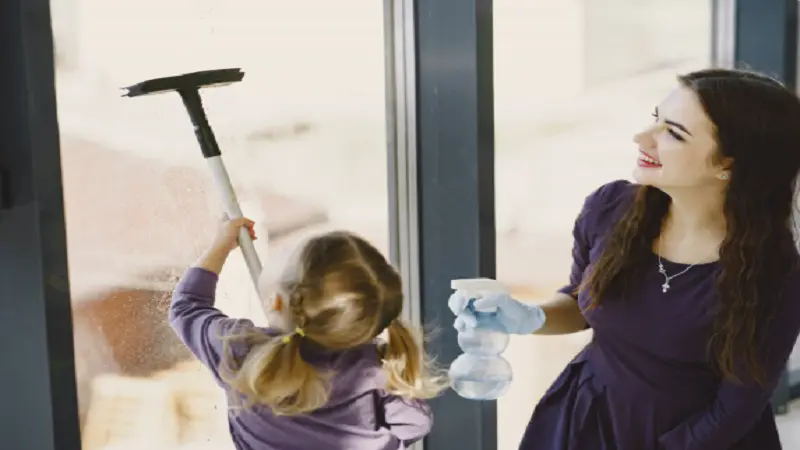
Nothing transforms a home quite like spotless, streak-free glass. Yet most of us have stood back from a “finished” window only to see smears, lint, and mysterious streaks glaring in the afternoon light. The truth? Most homeowners sabotage their own efforts by adding too many steps, too much product, or cleaning at the worst possible time. Professional window cleaners know that less is more—and that three common mistakes account for nearly every streak, spot, and hazy film you’ve ever battled.
This guide distills the real-world techniques used by professionals into a straightforward, evidence-backed system. You’ll learn why a damp microfibre cloth outperforms a spray-and-wipe spree, when to swap water for a vinegar window cleaning solution, and how to tackle second-floor panes without a ladder. For detailed window cleaning tips backed by industry experts, you’ll find every method tested and proven in real homes.
1. Quick-Start Rules for Streak-Free Window Cleaning
Before you gather bottles and rags, memorize these four principles. They override every myth you’ve heard about newspaper, ammonia, or “magic” gadgets.
1.1 Use Less Product Than You Think
A single light mist of glass cleaner or a vinegar window cleaning solution is enough for most interior panes. The cleaner’s job is simply to break the surface tension of dust and fingerprints. Over-application leaves a chemical film that dries into streaks. Spray the center of the glass once, then wipe outward with a damp microfibre cloth. The cloth will lift dirt and residue without requiring gallons of solution.
1.2 Work Out of Direct Sun
Heat accelerates evaporation. When you clean in direct sunlight, the solution dries before you can wipe it off, locking in streaks. Tackle windows when panes are cool—early morning, late afternoon, or on overcast days. Cleaning in shade is the single fastest way to eliminate smearing without changing any other part of your routine.
1.3 Start with Clean Gear
A bucket of clean water, fresh lint-free cloths, and distilled water cleaning supplies prevent you from spreading yesterday’s grime onto today’s glass. Mineral deposits in tap water can leave spots, so professionals often rinse with distilled or deionized water. Swap your cloth between inside and outside jobs to avoid transferring indoor dust onto exterior panes.
1.4 Finish Smart
Allow panes to air-dry or buff lightly with a dry microglass cloth. Paper towels shed fibers. Old T-shirts leave lint. Newspaper works in a pinch—its tightly packed fibers resist shedding—but microfibre is faster and reusable. If you see streaks after drying, they’re usually leftover product, not dirt. A quick wipe with a damp cloth and clean water will clear them.
2. Common Mistakes That Cause Streaks—and How to Avoid Them
Three errors account for nearly every smear, haze, and streak homeowners encounter. Fix these and you’ll cut your cleaning time in half.
2.1 Overusing Chemicals
Most people spray until the glass is dripping, believing more cleaner means more cleaning power. In reality, excess product pools in corners and evaporates into a sticky residue. Daniel Heayberd, Operations Director at Mustang Cleaning Supplies, identifies this as the number-one mistake. Apply a minimal-spray method: one or two pumps in the center of the pane, then spread with a damp cloth. The goal is to moisten the surface, not saturate it.
2.2 Using Lint-Leaving Materials
Paper towels, old dish rags, and cotton T-shirts all shed fibers when damp. Those fibers cling to wet glass and dry into a dusty haze. Switch to microfibre cloths or a lint-free cloth designed for glass. Microfibre can hold up to seven times its weight in liquid, so it lifts dirt and solution in one pass without leaving debris behind.
2.3 Cleaning in Direct Sunlight
Sunny days feel ideal for housework, but heat is your enemy. When panes are warm, water and cleaner evaporate before you finish wiping, leaving chemical residue and water spots. Time your session for shade—early morning, dusk, or cloudy weather. If you must clean in sun, work one small section at a time and rinse immediately with a damp cloth.
2.4 Before You Break Out the Bucket
Before you break out the bucket, read these common smearing mistakes to avoid wasting time on methods that don’t work. Most streak problems stem from habits you can change in a single cleaning session.
3. The Right Tools and Materials That Actually Work in Real Homes
Professional window cleaners don’t carry fifty products. They rely on three or four high-quality items that handle every scenario—from light dust to baked-on bird droppings.
3.1 Cloths That Matter
Microfibre cloths are the workhorse. Their looped fibers trap dirt and absorb solution without scratching glass. Microglass cloths take it further: ultra-fine fibers polish panes to a crystal finish and leave zero lint. Traditional lint-free cloths—surgical huck towels or bar mops—work well if you already own them, but they don’t absorb as much liquid. For streak-free window cleaning, microfibre is the best all-around choice. Keep two on hand: one damp for cleaning, one dry for buffing.
3.2 Cleaners and Mixes
Commercial glass cleaner works, but you only need a tiny amount. Popular choices among professionals include Clover Brite and Evans Clear, both designed to break surface tension without leaving residue. For a homemade alternative, mix one part distilled white vinegar with ten parts water. Vinegar cuts grease and evaporates cleanly, making it ideal for kitchens and bathrooms. If your tap water is hard, use distilled water cleaning to avoid mineral spots. Fragrance-free formulas reduce streaking caused by oils and dyes.
3.3 Helpful Add-Ons
A large bucket of clean water is non-negotiable for rinsing your cloth between passes. For floor-to-ceiling windows, a squeegee speeds up the job—pull from top to bottom in overlapping strokes, wiping the blade after each pass. A soft-bristle brush loosens caked-on pollen or sap before you apply cleaner. A plastic scraper handles bird droppings or tree resin without scratching glass, but test it on a corner first.
3.4 For Fast, Streak-Free Results
For fast, streak-free results, check out the right tools and materials that actually work in real homes. Investing in one high-quality microfibre cloth will outlast a year’s worth of paper towels.
4. Step-by-Step Process for Interior Windows
Interior panes are usually less soiled than exterior glass, but they still collect fingerprints, cooking grease, and pet nose prints. Follow this sequence to get them spotless in one pass.
4.1 Prep the Area
Dust blinds, wipe down the frame, and vacuum the sill and track. Loose dirt will turn into mud the moment you introduce moisture. Remove screens if they’re blocking access or if you plan to wash them separately. Lay a folded towel on the sill to catch drips. This prep work takes two minutes and prevents you from re-cleaning the same spot three times.
4.2 Apply and Wipe
Mist minimal cleaner—one or two sprays—onto the center of the pane. Using a damp microfibre cloth, wipe from the center outward in overlapping horizontal or circular strokes. The goal is to spread the cleaner evenly while lifting dirt. As one section of the cloth loads with grime, fold it to expose a clean surface. If you’re cleaning multiple windows, rinse the cloth in your bucket every few panes to avoid transferring dirt.
4.3 Rinse and Finish
Quickly rinse your cloth in clean water, wring it until it’s barely damp, then wipe the pane again to remove any remaining cleaner. This second pass is critical—it’s what eliminates streaks. Allow the glass to air-dry, or buff immediately with a dry microglass cloth for a streak-free finish. If you see haze or streaks after drying, they’re usually product residue. A final wipe with a damp cloth and plain water will clear them.
4.4 Our Operations Team Compiled Practical Advice
Our operations team compiled practical advice covering chemicals, cloths, and timing. Following their process will cut your interior cleaning time in half.
5. Outside Window Cleaning: Tackling Grime and the Elements
Exterior glass faces rain, pollen, insect splatter, and road dust. It requires a slightly more aggressive approach—but the fundamentals remain the same.
5.1 Reset Your Kit
Refresh the bucket and switch to clean cloths before moving outside. Indoor dust is light; outdoor grime is gritty. Using the same cloth will scratch the glass and spread dirt. If you cleaned interiors first, dump the bucket, rinse it, and refill with fresh water. This simple reset prevents you from dragging indoor residue onto exterior panes and ensures your final rinse is truly clean.
5.2 Handle Heavy Soil
Pre-rinse with a garden hose to flush loose dirt and pollen. For bug splatter, tree sap, or bird droppings, let a damp cloth sit on the spot for thirty seconds to soften the residue before wiping. Use a vinegar window cleaning solution or glass cleaner sparingly—exterior grime needs mechanical action more than chemical power. Expect to make a second pass on heavily soiled areas. A soft-bristle brush or plastic scraper can dislodge stubborn deposits without scratching the glass.
5.3 Control Drips and Marks
Clean frames and sills first so dirty runoff doesn’t streak your freshly washed glass. Work from top to bottom, rinsing your cloth frequently. If you have hard water, finish with a distilled water rinse to prevent mineral spots. Step back and inspect from multiple angles—oblique light reveals streaks you’ll miss head-on. Touch up any spots immediately while the glass is still damp.
5.4 To Keep Glass Crystal Clear
To keep glass crystal clear, follow proven outside window cleaning methods and clean in the shade whenever possible. Timing and technique matter more than expensive products.
6. Hard-to-Reach and Upper-Floor Windows: Safe, Smart Options
Second-floor windows present a real challenge. You can clean the interior from inside, but the exterior requires either specialized equipment or professional help.
6.1 Water-Fed Pole Systems
A water-fed pole pumps purified or distilled water through a brush head mounted on a telescopic pole. The purified water dries spot-free, so you don’t need to squeegee or wipe. Poles extend up to forty feet, making them ideal for two- or three-story homes. The downside: they’re expensive, bulky to store, and require practice to control. Basic models start around two hundred dollars; professional rigs cost thousands. If you clean windows twice a year, a pole may not justify the investment.
6.2 Magnetic Window Cleaner and Inside-Cleaning Kits
Magnetic cleaners use two pads—one inside, one outside—held together by strong magnets. Move the inside pad and the outside pad follows, scrubbing both surfaces at once. They work well on single-pane glass and light grime, but struggle with thick double-glazing or baked-on dirt. Safety cords prevent the outside pad from falling, but you’ll need to lean out the window to position it. These kits cost thirty to sixty dollars and shine for quick touch-ups, not deep cleans.
6.3 When to Hire a Pro
If climbing a ladder feels unsafe, or if your windows are three stories up, hiring a professional window cleaner is the smart move. Pros carry insurance, proper equipment, and experience with tricky access points. A full exterior clean typically costs one to three dollars per pane, depending on size and difficulty. You can save money by cleaning interiors yourself and hiring a service only for outside work.
6.4 If You’re Tackling Upper Floors
If you’re tackling upper floors, start with these safe, smart options and then decide whether to invest in a pole system. Safety and results both matter.
7. Troubleshooting Streaks and Long-Term Maintenance
Even with perfect technique, streaks and spots occasionally appear. Here’s how to diagnose and fix them—and how to keep your windows cleaner longer.
7.1 Diagnose Streaks and Spots
Lint appears as tiny white fibers scattered across the glass; switch to a microfibre cloth. Chemical residue looks like a hazy film or rainbow smears; rewipe with a damp cloth and plain water. Mineral deposits—hard-water spots—appear as white or cloudy circles; rinse with distilled water and buff with a dry microglass cloth. If you can’t identify the problem, wipe one small section with water only. If the streak disappears, it’s product buildup. If it remains, it’s a mineral deposit or exterior grime.
7.2 Fix Hazy Film and Rainbow Smears
Hazy film almost always means too much cleaner or a fragrance-heavy formula. Wipe the entire pane with a water-dampened cloth to remove product, then apply a minimal amount of cleaner and rinse immediately. Rainbow smears can also come from oils in scented sprays. Switch to a fragrance-free glass cleaner or a simple vinegar solution. One pass with water, one light application of cleaner, and one rinse will restore clarity.
7.3 Schedule and Conditions
Clean interiors monthly or as needed—high-traffic rooms and kitchens collect grease faster. Tackle exteriors seasonally: spring after pollen season, fall after leaf drop, and mid-winter if you live in a wet climate. Prioritize cleaning in shade on cool, low-wind days. Wind carries dust onto wet glass, and direct sun causes flash-drying. Both conditions guarantee streaks. Mark your calendar for overcast mornings and you’ll finish in half the time.
7.4 New to DIY Maintenance?
New to DIY maintenance? Begin with basic troubleshooting so you don’t overuse chemicals or the wrong materials. Most problems have simple, no-cost fixes.
Streak-free windows are within reach once you understand the three core mistakes: too much product, lint-leaving cloths, and cleaning in direct sun. Equip yourself with microfibre cloths, a bucket of clean water, and a light touch with cleaner—whether commercial glass cleaner or a homemade vinegar solution. Follow the step-by-step process for interiors, reset your gear before moving outside, and choose safe, practical methods for upper floors. With the right tools and timing, you’ll achieve crystal-clear glass every time—no magic required.