
A comfortable and beautiful home does not always require expensive furniture, professional designers, or major renovations. Small changes in organization, decoration, lighting, and daily habits can make a home more attractive, functional, and relaxing. Whether you live in a small apartment, a family house, or a rented space, simple improvements can help you make better use of the space you already have.
Many people believe that home improvement requires a large budget. However, thoughtful planning and creative ideas can produce excellent results without spending too much money. Reusing old items, organizing unused spaces, improving natural lighting, and choosing suitable colors are practical ways to refresh your surroundings.
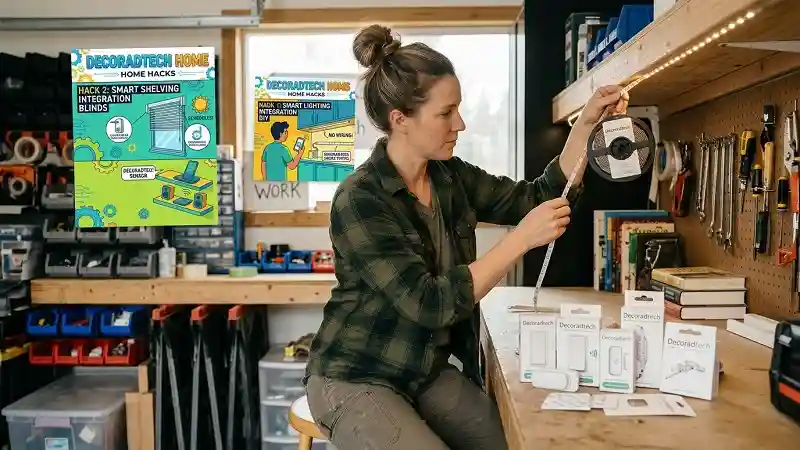
Decoradtech home hacks offer a useful approach to making everyday living spaces more organized, stylish, and comfortable. The main idea is to combine creativity with practical solutions that fit your lifestyle and budget.
This article explains simple home improvement techniques, room organization ideas, decoration tips, and maintenance habits that anyone can apply. These suggestions are easy to understand and can help you create a home that looks better and works more efficiently.
1. Organize Your Space for a Cleaner Home
One of the easiest ways to improve your home is to organize your belongings. A cluttered room often looks smaller and feels less comfortable, even when it contains attractive furniture. Organizing your space allows you to use every area more effectively.
Start by examining each room and identifying items that you no longer need. Separate your belongings into three groups: items to keep, items to donate or give away, and items to recycle or discard. This simple process reduces unnecessary clutter and makes cleaning easier.
Use baskets, storage boxes, drawer dividers, and shelves to keep everyday items in their proper places. For example, small containers can organize kitchen utensils, while decorative baskets can hold blankets, magazines, or children’s toys.
Make use of vertical space by installing shelves above desks, beside wardrobes, or in unused corners. Wall-mounted storage can free up valuable floor space, especially in small homes.
It is also helpful to develop a daily organization routine. Spend five to ten minutes returning items to their proper places before going to bed. This habit prevents clutter from building up and makes your home easier to manage.
2. Refresh Your Home with Simple Decoration
Decoration can change the appearance of a room without requiring expensive purchases. Small adjustments to colors, textures, and accessories can create a fresh and welcoming atmosphere.
Begin by selecting a simple color scheme. Neutral shades such as white, beige, gray, and soft brown work well as background colors. You can introduce brighter shades through cushions, rugs, curtains, artwork, and decorative objects.
Avoid filling every surface with decorations. Too many accessories can make a room feel crowded. Instead, choose a few items that complement the furniture and overall style.
You can also rearrange existing furniture to create a different appearance. Moving a chair closer to a window, changing the position of a coffee table, or creating a more open walking path may improve the room without costing anything.
Plants are another effective decorative option. Indoor plants can add natural color and visual interest. Choose varieties that suit the available light and your ability to care for them. If natural plants are unsuitable for your environment, simple artificial greenery can provide a similar decorative effect.
The goal is to create a balanced space that reflects your personality while remaining comfortable and easy to maintain.
3. Improve Lighting for a Brighter Environment
Lighting has a major influence on how a home looks and feels. A well-lit room often appears more spacious, welcoming, and useful. Fortunately, you can improve lighting through several affordable adjustments.
During the day, make the most of natural sunlight. Open curtains and blinds whenever privacy and outdoor conditions allow. Keep windows clean and avoid placing large objects directly in front of them.
For artificial lighting, combine different light sources when possible. General ceiling lights provide overall illumination, while table lamps and reading lights offer focused lighting for specific activities.
Warm white lighting can create a relaxing atmosphere in living rooms and bedrooms. Brighter, more neutral lighting may be more suitable for kitchens, bathrooms, and work areas where clear visibility is important.
Mirrors can also help reflect light around a room. Place a mirror where it can reflect daylight or an existing light source. This may make a small room appear brighter, although mirrors do not create additional light themselves.
Remember to choose suitable bulbs for each fixture and follow the manufacturer’s recommendations. Replace damaged switches, loose fittings, or faulty wiring with help from a qualified electrician rather than attempting unsafe electrical repairs.
4. Make Small Rooms Feel More Spacious
Small rooms can be comfortable and attractive when their layouts are planned carefully. The most important principle is to avoid wasting space and blocking natural movement.
Choose furniture according to the room’s size. Oversized sofas, large tables, and bulky storage units can make a compact room feel crowded. Furniture with visible legs or a simple design may create a lighter visual appearance.
Multifunctional furniture is particularly useful in small homes. A storage bed can hold extra bedding, an ottoman can provide seating and storage, and a folding table can serve as a workspace when needed.
Keep walking paths clear and position frequently used objects within easy reach. In bedrooms, avoid filling every corner with unnecessary furniture. In living rooms, arrange seating to encourage conversation while preserving enough space to move around comfortably.
Use wall-mounted shelves to store books and accessories without taking up floor space. Light-colored walls can also help reflect light and make a room feel more open.
A simple layout is often more effective than adding more furniture. Before purchasing anything new, consider whether rearranging your existing belongings could solve the problem.
5. Create a More Functional Kitchen
The kitchen is one of the busiest areas in most homes. An organized kitchen saves time, reduces waste, and makes cooking more enjoyable.
Start by grouping similar items together. Keep cooking utensils near the area where you prepare meals, place frequently used ingredients in accessible cabinets, and store pots and pans close to the stove when practical.
Clear containers can help you identify dry ingredients such as rice, flour, lentils, and pasta. Label containers when necessary, and store food according to its safety requirements. Keep refrigerated and perishable ingredients at appropriate temperatures.
Use drawer dividers to separate cutlery and small kitchen tools. Hooks or suitable wall-mounted racks can provide additional storage for lightweight utensils, provided they are securely installed and positioned away from hazards.
Clean countertops regularly and leave enough space for food preparation. Store appliances that you rarely use in cabinets if doing so makes the kitchen easier to work in.
Another useful habit is to check the refrigerator and pantry before shopping. This helps you use existing ingredients, avoid buying duplicates, and reduce food waste.
Always keep cleaning products away from food, children, and pets. Good organization should improve convenience without compromising safety or hygiene.
6. Update Your Bedroom for Better Comfort
The bedroom should provide a peaceful environment for rest and relaxation. A few thoughtful changes can make it more comfortable without requiring a complete redesign.
Start with the bed, which is usually the main visual feature of the room. Clean bedding, coordinated pillow covers, and a neatly arranged blanket can immediately improve its appearance.
Choose colors that help you feel relaxed. Soft blues, greens, creams, and other gentle shades are popular choices, although personal preferences matter most.
Keep bedside surfaces simple. A lamp, a clock, and a small tray for essential belongings may be enough. Use a drawer organizer or bedside storage box for items that would otherwise create clutter.
Curtains can help control daylight and improve privacy. If outside light disturbs your sleep, consider suitable light-blocking curtains or blinds. Ensure the room has appropriate ventilation and a comfortable temperature.
Under-bed storage can be useful for seasonal clothing, spare bedding, and other items that are not needed every day. Use closed containers to protect belongings from dust.
Finally, remove unnecessary distractions from the sleeping area. Keeping work materials and electronic accessories organized can help the bedroom feel more restful.
7. Save Money with Creative Reuse
Home improvement does not always mean buying new products. Many useful decorative and storage items can be created by reusing belongings you already own.
For example, clean glass jars can hold craft supplies, small accessories, or suitable pantry ingredients. Old baskets can be repurposed for towels, toys, or household essentials. Wooden boxes can become simple storage organizers when they are clean, stable, and safe to use.
You can refresh old furniture by cleaning it thoroughly, replacing worn handles, or applying a suitable finish. Before painting or sanding, check the material, use appropriate protective equipment, and follow product instructions. Older painted furniture may require special precautions because some paints contain hazardous substances.
Fabric scraps can become small cushion covers or decorative accents if you have basic sewing skills. Unused picture frames can be updated with new artwork, family photographs, or simple prints.
These projects encourage creativity while reducing waste. However, reuse should always be practical. Avoid keeping damaged items that create clutter or using materials that are unsuitable for food contact, heat exposure, or structural support.
8. Keep Your Home Clean with Simple Daily Habits
A beautiful home is easier to maintain when cleaning becomes part of your regular routine. Instead of waiting for an entire weekend to clean everything, divide household tasks into manageable activities.
Make your bed each morning, wipe kitchen surfaces after preparing food, and return frequently used objects to their storage places. These small actions reduce the amount of work required later.
Create a weekly cleaning schedule based on your household’s needs. For example, you might vacuum floors on certain days, clean bathrooms regularly, and change bedding according to your preferred hygiene routine.
Use appropriate cleaning products for each surface. Read labels carefully, provide ventilation, and never mix cleaning chemicals, especially bleach with ammonia or acidic products. Such combinations can release dangerous gases.
Pay attention to areas that are often overlooked, including door handles, light switches, window tracks, and the spaces behind furniture. Cleaning these areas periodically helps maintain a healthier and more pleasant environment.
Involve other household members when possible. Sharing responsibilities makes the work more manageable and encourages everyone to respect the home’s organization.
9. Improve Energy Efficiency at Home
Energy-efficient habits can help reduce utility bills while making your home more comfortable. Many improvements are simple and require little or no investment.
Switch off lights in unoccupied rooms and unplug devices when appropriate. Use energy-efficient LED bulbs, which generally consume less electricity than traditional incandescent bulbs.
During hot weather, close curtains or blinds when direct sunlight heats the room. During cooler weather, use suitable window coverings to reduce heat loss. Weatherstripping around doors and windows can help limit unwanted drafts when installed correctly.
Use appliances efficiently by following their instructions and choosing appropriate settings. Wash full but not overloaded laundry loads, maintain refrigerator door seals, and clean appliance filters as recommended.
If you use heating or cooling equipment, keep filters clean and arrange maintenance according to the manufacturer’s guidance. Avoid setting temperatures unnecessarily low or high.
Water conservation is equally important. Repair leaking taps, turn off running water when it is not needed, and consider water-efficient fixtures where suitable.
The most effective improvements depend on your climate, home design, local energy prices, and existing appliances. Start with low-cost habits before investing in major upgrades.
10. Follow a Practical Home Improvement Plan
Trying to improve every room at once can become expensive and overwhelming. A clear plan helps you focus on changes that offer the greatest benefit.
Begin by identifying the problems that affect your daily life. You may need more storage, better lighting, a cleaner kitchen, or a more comfortable bedroom. Write down the changes you would like to make and arrange them by importance.
Next, set a realistic budget. Separate essential repairs from optional decorative purchases. Address issues such as leaks, unsafe wiring, damaged locks, and structural concerns before spending money on cosmetic improvements.
Choose one small project at a time. For example, spend one weekend organizing a wardrobe and another rearranging the living room. Take photographs before and after each project to help you assess what works.
Decoradtech home hacks are most useful when they solve real household problems instead of adding unnecessary complexity. A successful improvement should make your home easier to use, maintain, and enjoy.
Review your progress regularly and adjust your plans as your needs change. You do not need to follow every design trend or purchase every new accessory. Focus on practical solutions that suit your lifestyle.
Conclusion
Improving your home can be a simple, affordable, and rewarding process. Better organization, thoughtful decoration, effective lighting, creative reuse, and consistent cleaning habits can transform everyday spaces without requiring major renovations.
The best approach is to understand what your home needs and make changes gradually. Use existing furniture creatively, take advantage of natural light, keep frequently used items accessible, and choose decorations that provide genuine value.
Decoradtech home hacks encourage homeowners and renters to combine creativity with practical thinking. By focusing on comfort, functionality, cleanliness, and energy efficiency, you can create a living environment that supports your daily routine.
Remember that a beautiful home is not defined by its price or size. It is a place where people feel comfortable, organized, and welcome. With patience and a few thoughtful improvements, almost any living space can become more useful and enjoyable. See More