
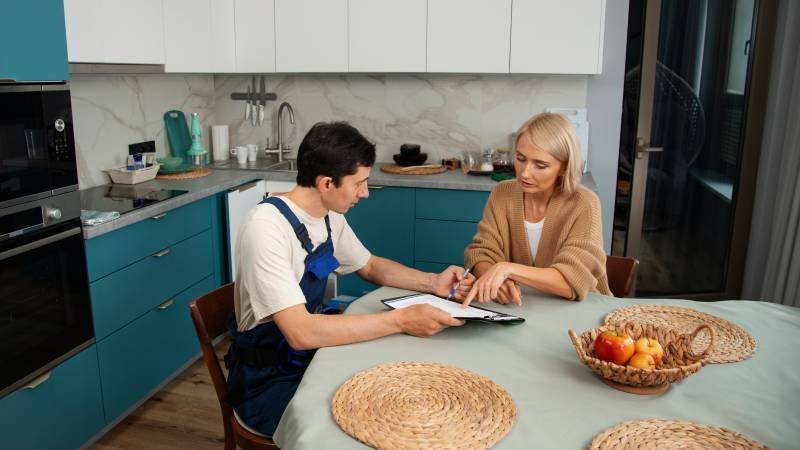
Most renovation checklists have a predictable rhythm. New tile. Updated fixtures. Maybe a fresh coat of paint on the cabinets. But there’s one upgrade that tends to get added as an afterthought — or skipped altogether — even though it’s one of the more sensible things you can do while walls are open and plumbing is already disrupted: installing a home water filtration system.
If you’re already mid-renovation, you’re sitting in the best possible window to do this.
The Renovation Window Is Real
Here’s the practical reality of adding water filtration to an existing home: it almost always requires some degree of access to plumbing. An under-sink system needs a dedicated line tapped into the cold water supply and a small hole drilled for its separate faucet. A whole-home water filtration system requires installation at the main water entry point, which may involve working around other infrastructure depending on your home’s layout.
Neither of these is a major undertaking for a plumber. But when you’re already doing a kitchen remodel or a bathroom gut job, the cost and disruption are significantly lower because your contractor is already in the walls, already working around supply lines, already making the space functional before finishing it. Adding filtration during that phase costs less in labor than it would as a standalone project six months later.
This is a timing argument that contractors don’t often make to their clients, but it’s worth making yourself.
Under-Sink Systems: A Natural Kitchen Upgrade
Kitchen remodels are the most obvious pairing. If you’re already replacing a sink or reworking the cabinet layout underneath it, routing a dedicated filtered water line to a new faucet position requires almost no additional disruption. The filter housing sits neatly under the sink, the supply lines connect during rough plumbing, and a second faucet tap on the counter becomes part of the installation rather than a retrofit.
Under-counter water filtration systems are sized to fit standard cabinet depths, which means they don’t take up much of the storage space most homeowners are already trying to protect in a kitchen remodel. For homeowners who want the more comprehensive purification of a multi-stage reverse osmosis system for the home, the same logic applies — the system is compact, designed for under-sink installation, and far easier to incorporate during construction than after.
Reverse osmosis systems reduce a broader range of dissolved contaminants than standard carbon filters, which is why many households doing a full kitchen update choose to include one rather than settle for a pitcher or countertop filter that’s ultimately just in the way.
Whole-Home Systems: Better During New Construction or Major Remodels
If you’re working on a more significant project — a full home renovation, a new build, or a project that involves opening up utility spaces — this is genuinely the easiest time to install whole-home filtration.
A whole-home system treats water at the point it enters the house, which means every faucet, showerhead, and appliance draws from already-filtered supply. Sediment, chlorine, and certain other contaminants that travel through municipal pipes are addressed before water ever reaches the fixtures you just paid to install.
From a practical standpoint, this also matters for the fixtures themselves. Sediment and mineral-heavy water can affect the longevity of faucets, shower valves, and appliances over time. Installing filtration during construction is the kind of decision that tends to look smarter as the years pass.
Thinking About Resale Value
Home buyers in 2026 are more water-aware than previous generations. Water quality concerns — whether about chlorine, lead in older plumbing, or broader questions about municipal supply — have moved from niche interest to mainstream household conversation.
A whole-home or under-sink filtration system that’s already installed, properly plumbed, and documented is a meaningful selling point, particularly in markets where buyers are expecting turnkey features. It’s not a headline renovation item, but it contributes to the overall sense that a home has been maintained and upgraded thoughtfully.
Installation Considerations Worth Discussing With Your Contractor
One point worth raising with whoever is managing your renovation: not every plumber is familiar with water filtration installation, and it’s worth confirming experience before the project begins. Systems from brands like PremierH2O are designed to be DIY-friendly with quick-connect fittings, but during a renovation with a licensed contractor already on site, having them handle the water line work and connection is often the cleaner path.
The filter housing, connection fittings, and dedicated faucet (in the case of under-sink or RO systems) are all part of the package. What you’re asking your contractor to do is integrate the connections into the existing rough plumbing phase, which is far simpler than it sounds.
If your contractor isn’t familiar with these systems, most manufacturers offer installation documentation and US-based support that can walk through the specifics.
The Bottom Line
Renovations are expensive and disruptive by nature. The goal, if you’re approaching one thoughtfully, is to come out the other side with a home that’s genuinely better to live in — not just more attractive. Water filtration fits that goal. It doesn’t show in listing photos or impress guests at a dinner party, but clean, great-tasting water at every tap and fixture is something you notice every single day, starting the morning after installation.
Do it while the walls are already open. In the future, you will appreciate the timing.