
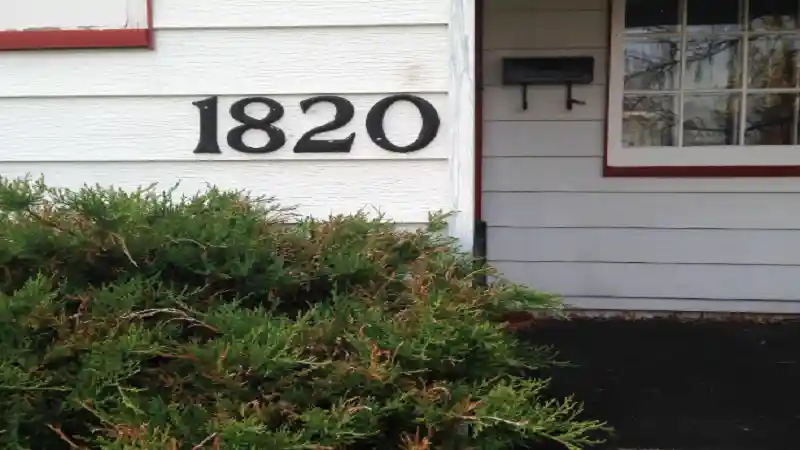
Delivery has become part of daily home life. Packages, groceries, prescriptions, furniture, takeout, service visits, and maintenance appointments all depend on one simple thing: the right property must be easy to identify from the street. When a driver cannot quickly confirm the address, even a well-planned delivery can slow down. The driver may stop at the wrong house, call for directions, circle the block, or leave a package in an uncertain location. These small moments create inconvenience for homeowners and unnecessary pressure for people trying to complete routes on time.
A home that is easy to find does not rely only on digital maps. Maps can bring someone close to the destination, but the final confirmation still happens visually. The driver looks for house numbers, mailbox markings, porch details, driveway position, exterior lighting, and other signals that match the address. When those signals are clear, delivery becomes faster and more accurate. When they are hidden, faded, small, or poorly placed, the front of the home becomes a guessing game.
Why Address Visibility Matters for Everyday Deliveries
Delivery drivers often make decisions from a moving vehicle. They may be reading addresses in rain, low light, heavy traffic, or unfamiliar neighborhoods. If the home number blends into brick, sits behind a plant, or appears only near the front door far from the street, it becomes difficult to confirm quickly. This problem becomes even stronger in subdivisions where homes have similar garage doors, rooflines, paint colors, and landscaping patterns.
Clear address visibility helps more than package delivery. It assists guests, repair technicians, rideshare drivers, utility workers, emergency responders, and anyone approaching the property for the first time. A visible address reduces hesitation. It gives people a fixed point to look for and helps them understand where the property begins. Good exterior identification is not decoration alone. It is part of how the home communicates with the outside world.
Which Address Display Makes a Home Easier to Identify?
A delivery driver often has only a few seconds to confirm whether a property matches the destination address. Trees, parked vehicles, poor lighting, and small house numbers can make that task more difficult, especially in neighborhoods where homes share similar architectural features. Homeowners who want faster address recognition and fewer navigation errors frequently rely on address plaques because they combine clear property identification with a dedicated display surface designed to make street numbers easier to locate and read.
Effective address displays create a visual reference point that stands out from surrounding exterior elements. Address plaques achieve this by grouping house numbers within a structured design that separates critical information from the background of the home. That separation improves visibility for delivery drivers, visitors, maintenance providers, and emergency responders approaching from the street.
The benefits extend beyond navigation. A permanent address marker contributes to the appearance of the property’s exterior while helping establish a more organized and intentional entryway. Materials, finishes, and mounting styles allow homeowners to coordinate the display with the home’s architectural character without sacrificing readability.
Property identification works best when information remains visible under varying conditions. A well-positioned plaque provides a consistent location for address details and reduces the likelihood that visitors will overlook the home. By improving recognition speed and supporting everyday navigation, an address display serves both practical and aesthetic purposes while strengthening the overall functionality of the exterior environment.
Place the Address Where Drivers Actually Look
Address placement should be planned from the street, not only from the porch. A number display may look attractive beside the front door, but if the door is recessed, shadowed, or far from the road, drivers may not see it in time. The strongest placement is usually on a front-facing surface with a clear line of sight. This may be near the garage, beside the entry, on a post near the driveway, or mounted where the home’s façade is most visible from approaching traffic.
Homeowners should stand across the street and view the property as a first-time visitor would. Is the address visible before reaching the driveway? Can it be read from a car window? Is it blocked by a parked vehicle, tree branch, porch column, or seasonal decoration? These questions are simple, but they reveal whether the address display is helping or hiding. Exterior design choices should support real-world use, especially because the outside of a home affects first impressions and daily function. A broader look at why a home’s exterior matters shows how curb-facing details influence both appearance and practical experience.
Avoid Low-Contrast Backgrounds
A common mistake is placing address numbers directly on a surface that makes them disappear. Dark numbers on dark brick, thin metal characters on patterned stone, or small numbers on textured siding can be hard to read from the road. A plaque helps solve this by creating a defined background for the numbers. The contrast between the display surface and the characters gives the eye a cleaner target, making the address easier to identify during a quick glance.
Lighting Makes Address Recognition More Reliable
Many delivery mistakes happen in the evening because address displays are not lit properly. Porch lights may brighten the door but leave the address in shadow. Garage lights may point downward but not reach the wall where the numbers are mounted. Landscape lighting may look beautiful while doing little to help wayfinding. For an address display to work after dark, light must reach the actual marker.
Soft, direct lighting can make a major difference. A nearby wall light, downlight, or carefully placed landscape fixture can help the display remain readable without creating glare. Reflective materials may help in some settings, but they should be tested from the street at night. If a driver cannot read the address from a reasonable distance, the lighting is not doing enough work.
Mailboxes and Landscape Features Can Help or Hurt Visibility
The mailbox is often one of the first places delivery drivers check for confirmation, especially in neighborhoods where homes sit back from the road. A clear mailbox area can support address recognition, but a crowded or overgrown one can create confusion. Decorative plantings should frame the mailbox rather than cover the number. If the mailbox carries the address, the numbers should be clean, large enough to read, and visible from the direction of traffic.
Landscaping can make the approach more attractive, but it should not interfere with identification. Homeowners planning curbside plantings can review ideas for front-yard mailbox gardens to understand how greenery can be arranged without overwhelming the address area. The best mailbox landscapes create a neat frame while keeping address information open and readable.
Keep Seasonal Décor Away From Address Details
Holiday wreaths, porch signs, flags, lanterns, and planters can add charm, but they should never cover the address display. Seasonal décor often grows over time, and what begins as a small accent can slowly block important visibility. A practical rule is to leave open space around house numbers, plaques, mailboxes, and entry lighting. The address should remain the easiest information to find, not something hidden behind decoration.
Brand Section: A Dedicated Address Marker With Everyday Value
A dedicated address plaque gives homeowners a practical way to improve visibility while adding a more finished exterior detail. Unlike loose numbers placed directly on a busy surface, a plaque creates a contained display area. This gives the address more structure and helps it stand apart from surrounding materials. The result is useful for navigation and beneficial for curb appeal.
The best address markers are selected with scale, contrast, material, and placement in mind. They should be large enough to read from the street, durable enough for outdoor exposure, and simple enough to match the home’s exterior style. When chosen thoughtfully, an address plaque becomes more than a label. It becomes a fixed point of identity for the property, helping drivers, visitors, and service providers find the right home with less delay.
Small Maintenance Habits Improve Delivery Accuracy
Even the best address display can lose effectiveness if it is not maintained. Dirt, fading, loose mounting, plant growth, and poor lighting can slowly reduce readability. Homeowners should check the address area every few months, especially after storms, seasonal decorating, or landscape growth. Trimming branches, cleaning the display, replacing weak bulbs, and adjusting décor can keep the address visible throughout the year.
It also helps to review the home from the same angle a driver would see it. Walk or drive past the property from both directions and notice where the eye lands first. If the address is not immediately clear, it may need better placement, stronger contrast, larger characters, or improved lighting. The goal is quick recognition, not close inspection.
Conclusion
Delivery drivers find the right house faster when the address is visible, readable, well-lit, and placed where people naturally look from the street. Digital maps can guide a driver close to the property, but the final confirmation depends on clear exterior identification. A dedicated address display, clean mailbox area, thoughtful lighting, and controlled landscaping all work together to reduce confusion.
The most effective homes communicate clearly from the curb. They make the address easy to locate, keep important details free from obstruction, and use exterior design choices that support both function and appearance. With a visible address marker and a well-organized front approach, homeowners can make deliveries smoother, visitors more confident, and the property easier to recognize every day.