
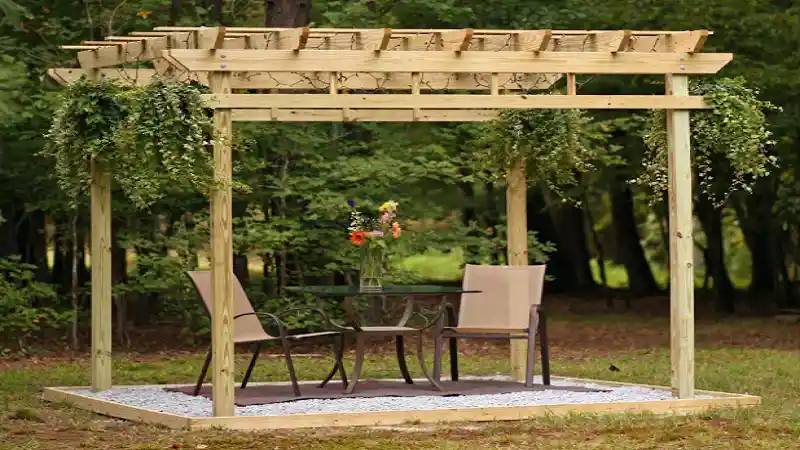
Building a pergola in Phoenix is not only a design decision. It is a practical response to one of the most demanding outdoor climates in the country. The right pergola can make a patio more comfortable, define a useful gathering area, and add architectural character to a backyard. The wrong approach, however, can lead to poor shade coverage, unnecessary maintenance, awkward placement, or a structure that does not age well under constant sun exposure.
Before starting a pergola project, homeowners should think carefully about how the structure will function throughout the day and across different seasons. Phoenix backyards receive intense sunlight, strong heat, dry air, dust, and occasional weather shifts. A pergola must be planned with those realities in mind. It should look attractive, but it should also support daily outdoor living, from family meals and quiet evenings to weekend gatherings and shaded relaxation.
Start With the Purpose of the Pergola
Every successful pergola begins with a clear purpose. Some homeowners want a shaded dining area near the kitchen. Others want to frame a lounge space, cover part of a poolside patio, or create a transition between the home and the landscape. The intended use affects size, placement, roof style, materials, and even the direction of the shade.
A pergola designed for outdoor dining may need space for a table, chairs, circulation, and lighting. A pergola built for relaxation may focus more on furniture placement, airflow, and views of the yard. If the pergola is meant to support an outdoor kitchen or entertainment zone, planning should also account for heat sources, traffic flow, and comfortable spacing. Purpose gives the project direction before design choices become expensive guesses.
How Should Homeowners Approach Pergola Installation?
A pergola project involves more than selecting a style and choosing a location in the backyard. The structure must fit the available space, complement existing architecture, provide meaningful shade, and withstand long-term exposure to intense desert conditions. Proper planning also requires consideration of dimensions, material performance, patio integration, and the way the structure will support everyday outdoor living activities.
For homeowners preparing to start a project, install pergola in phoenix becomes the most important next step because professional installation connects design decisions with long-term structural performance. A properly installed pergola uses appropriate foundations, secure connections, and accurate placement to create a durable outdoor feature. Installation quality affects stability, appearance, usability, and the overall lifespan of the structure. Professional planning also helps align pergola dimensions with patio layouts, circulation paths, and intended gathering areas.
Material selection plays a major role in project success as well. Aluminum, wood, and other pergola materials each offer different maintenance requirements, aesthetic characteristics, and durability profiles. The chosen material influences how the pergola performs under prolonged sun exposure and changing weather conditions. Placement decisions further affect comfort by determining how shade moves across the outdoor space throughout the day. When homeowners combine thoughtful planning with professional installation, the resulting pergola delivers better functionality, stronger visual appeal, and a more comfortable outdoor living environment for years to come.
Think Carefully About Placement and Sun Direction
Placement is one of the most important decisions in any Phoenix pergola project. A structure may look perfect on a drawing but perform poorly if it does not respond to the sun’s path. Morning shade, afternoon shade, and evening comfort can vary greatly depending on orientation. In many cases, the harshest exposure comes later in the day, when west-facing patios collect heat and glare.
Homeowners should observe the backyard before finalizing the location. Notice where sunlight lands during the hours the patio is most likely to be used. Consider whether walls, fences, trees, or existing rooflines already create partial shade. A pergola should strengthen the usable areas of the yard rather than simply occupy a space. Good placement can make the structure feel natural, while poor placement can leave the patio exposed at the exact time shade is needed most. To mitigate this vulnerabilities along the perimeter, coordinating the orientation with surrounding boundaries like rigid, printed panels or structured backdrops provides comprehensive climate control. Integrating these elements with options like branded metal fence wraps can transform open boundaries into clean, solid, and polished windbreaks that beautifully complement the permanent architecture of the patio.
Attached vs Freestanding Pergolas
An attached pergola connects to the home and often works well for patios directly outside living rooms, kitchens, or sliding doors. It creates a smooth transition from indoor space to outdoor use. A freestanding pergola offers more flexibility and can define a separate destination within the yard, such as a poolside lounge, garden seating area, or outdoor dining zone. The better option depends on the shape of the property, the existing patio, and how people naturally move through the backyard.
Match the Pergola to the Home’s Architecture
A pergola should not feel like a random object placed in the yard. It should relate to the home’s exterior, rooflines, window placement, doors, colors, and landscape style. Phoenix homes vary widely, from stucco desert architecture to contemporary builds and traditional suburban designs. The pergola should support that character rather than compete with it.
Color, post size, beam shape, spacing, and roof details all affect the final appearance. A sleek modern home may benefit from clean lines and simple finishes, while a warmer traditional property may need softer proportions. Homeowners who are thinking beyond the structure itself can also use smart patio design ideas to plan lighting, comfort features, seating, and outdoor technology in a way that feels intentional rather than crowded.
Understand Materials Before Choosing a Style
Materials should be selected for both appearance and performance. In Phoenix, outdoor structures face prolonged UV exposure, heat, wind, dust, and occasional storms. Wood offers a warm and classic look, but it may require sealing, staining, or refinishing to maintain its appearance. Aluminum and other low-maintenance materials are often chosen for durability, clean lines, and resistance to weather-related wear.
The right material depends on the homeowner’s priorities. Some people prefer the natural character of wood and are comfortable with maintenance. Others want a long-term structure that keeps its appearance with less upkeep. Finish color should also be considered carefully. Darker colors can create bold contrast but may absorb more heat, while lighter tones can feel softer in bright desert light.
Consider Patio Integration and Site Preparation
A pergola is only as successful as the surface and layout beneath it. The patio should be stable, properly sized, and suited to the intended use. If the structure will be installed over pavers, concrete, decking, or another surface, the footing and attachment details must be planned correctly. A pergola may also affect drainage, circulation, furniture placement, and access to doors or walkways.
Before construction, homeowners should also understand whether local rules, property restrictions, or site conditions may affect the project. While requirements vary by location, reviewing general guidance on domestic paving, decks, and patio permissions can help homeowners think more carefully about surfaces, boundaries, drainage, and outdoor improvements before beginning work.
Plan for Comfort Beyond Shade
Shade is the main reason many homeowners build a pergola, but comfort depends on more than overhead coverage. Airflow, furniture materials, lighting, privacy, and surrounding landscape all influence how enjoyable the space feels. In Phoenix, breathable layouts are especially important. A structure that blocks sunlight but traps heat may not solve the real problem.
Ceiling fans, thoughtful furniture placement, outdoor lighting, and nearby planting can help make the pergola more useful. Privacy screens may be helpful in certain yards, but they should be placed carefully so they do not restrict airflow too much. The most comfortable pergola spaces feel shaded, open, and connected to the rest of the backyard.
Brand Perspective: Royal Covers
Royal Covers is relevant to Phoenix pergola planning because shade structures in this region require more than surface-level design. Homeowners need solutions that account for desert sun, architectural fit, material durability, and everyday usability. A pergola should not simply look good on installation day. It should continue to support outdoor living after years of heat, sunlight, and seasonal exposure.
Professional planning helps connect the homeowner’s vision with practical construction details. Measurements, placement, footing, materials, and shade behavior all shape the final result. When those elements are handled with care, a pergola becomes a lasting outdoor feature that improves comfort, adds structure to the backyard, and strengthens the overall appearance of the property.
Conclusion
Before building a pergola in Phoenix, homeowners should look beyond style alone. The most successful projects begin with purpose, sun direction, material selection, patio integration, and professional installation quality. A pergola must be attractive, but it must also perform under demanding desert conditions.
With thoughtful planning, a pergola can transform an exposed patio into a more comfortable and visually defined outdoor living space. It can support dining, relaxation, entertaining, and everyday use while complementing the home’s architecture. For Phoenix homeowners, the best pergola is not just a shade feature. It is a carefully planned backyard improvement built for long-term comfort and value.