
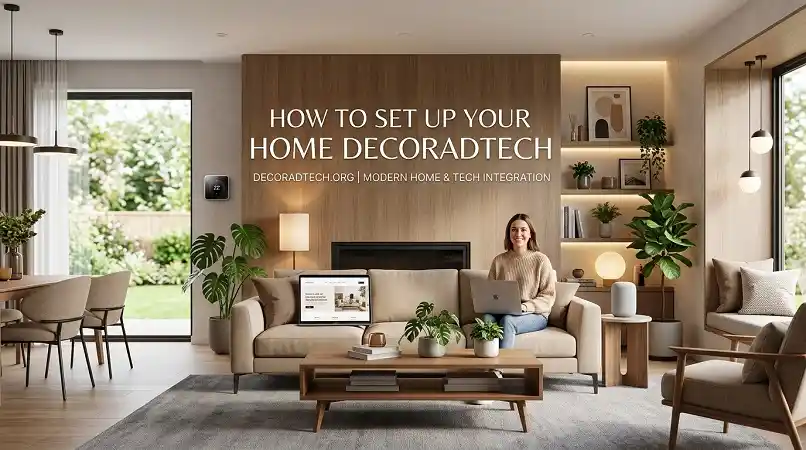
Creating a comfortable, beautiful, and functional home is an important part of everyday life. A well-designed home can improve your mood, make daily activities easier, and provide a relaxing environment for your family. However, decorating a home does not always require expensive furniture, professional designers, or complicated technology. With proper planning, thoughtful choices, and a little creativity, you can transform any space into a welcoming place.
If you are wondering how to set up my home decoradtech, the best approach is to combine traditional home decoration ideas with practical modern technology. This means choosing suitable colors, arranging furniture carefully, improving lighting, organizing your belongings, and using smart devices where they provide genuine benefits.
The goal is to create a home that reflects your personality while meeting your daily needs. Whether you live in a small apartment, a rented property, or a large family house, you can follow a few simple guidelines to improve your living space without exceeding your budget.
1. Understand Your Home and Its Needs
Before purchasing decorations or moving furniture, take some time to understand your home’s layout. Every home has different requirements, depending on its size, number of rooms, natural lighting, and the activities of the people living there.
Start by examining each room and identifying what works well and what needs improvement. For example, a living room may need better seating arrangements, while a bedroom may require additional storage or softer lighting.
Consider the following questions:
-
- How much available space does each room have?
-
- Which areas receive the most natural sunlight?
-
- Where do you need additional storage?
-
- Which furniture items should remain in place?
-
- What changes would make your daily routine easier?
Write down your priorities before spending money. This simple step helps you avoid unnecessary purchases and focus on improvements that make a noticeable difference.
It is also helpful to measure your rooms, doorways, and furniture. Accurate measurements make it easier to select suitable items and prevent overcrowding.
2. Choose a Consistent Interior Design Style
A consistent design style helps your home look organized and attractive. You do not need to follow every decorating trend. Instead, choose a style that matches your preferences, lifestyle, and budget.
Popular interior design styles include:
Modern Style
Modern interiors usually feature clean lines, simple furniture, neutral colors, and uncluttered spaces. This style works particularly well for people who prefer a neat and practical environment.
Minimalist Style
Minimalist decoration focuses on simplicity and functionality. It uses fewer decorative items, making rooms feel more open and easier to maintain.
Traditional Style
Traditional interiors often include classic furniture, warm colors, detailed designs, and timeless decorative elements. This approach can make a home feel comfortable and familiar.
Natural Style
Natural interiors use materials such as wood, cotton, linen, and stone. Indoor plants and earthy colors can create a peaceful atmosphere.
Choose one main style and incorporate a few complementary elements from other styles if desired. Keeping the overall appearance consistent will help your home feel connected rather than disorganized.
3. Select the Right Colors for Your Rooms
Color plays an important role in interior decoration. It affects how a room looks and can influence the atmosphere you create.
Light colors, including white, cream, and soft gray, can make smaller rooms appear brighter and more spacious. Darker shades, such as navy blue, forest green, or charcoal, can add depth and create a more dramatic appearance when used carefully.
A practical method is to choose three main colors:
-
- Primary color: Use this for most walls or larger surfaces.
-
- Secondary color: Introduce it through furniture, curtains, or rugs.
-
- Accent color: Use it for cushions, artwork, lampshades, and smaller decorations.
For example, a living room with cream walls, light wooden furniture, and green cushions can feel fresh and welcoming.
Before painting an entire room, test a small area of the wall. Observe the color in daylight and under artificial lighting because the appearance may change throughout the day.
4. Arrange Furniture for Comfort and Space
Furniture arrangement can make a significant difference in how a room functions. Even attractive furniture may look out of place if it blocks pathways or makes movement difficult.
Begin with the largest furniture items, such as beds, sofas, wardrobes, and dining tables. Position them according to the room’s main purpose.
In a living room, arrange seating to encourage conversation. A sofa facing two comfortable chairs can create a balanced arrangement. If you have a television, place it where people can view it comfortably without causing unnecessary glare.
In a bedroom, position the bed so that you can access it easily from both sides when space allows. Keep frequently used items within reach and avoid filling every corner with furniture.
For smaller rooms, consider multifunctional furniture. Storage beds, folding tables, wall-mounted shelves, and compact desks can help you use limited space efficiently.
Leave enough room to open doors, pull out drawers, and walk safely between furniture pieces. Good spacing improves both comfort and accessibility.
5. Improve Lighting Throughout Your Home
Lighting is essential for creating a pleasant and practical interior. A room with suitable lighting often feels more inviting and can be easier to use for reading, cooking, working, and relaxing.
Whenever possible, make the most of natural daylight. Keep windows clean, use lightweight curtains where appropriate, and avoid placing large objects directly in front of windows.
For artificial lighting, combine different types of light according to your needs.
Ambient Lighting
Ambient lighting provides general illumination for the entire room. Ceiling lights and suitable wall fixtures are common examples.
Task Lighting
Task lighting helps you perform specific activities. Desk lamps, reading lights, and under-cabinet kitchen lights can improve visibility.
Accent Lighting
Accent lighting highlights particular features, such as artwork, shelves, architectural details, or indoor plants.
Choose warm white lighting for relaxing areas, such as bedrooms and living rooms, if you prefer a cozy atmosphere. Neutral or cooler lighting may be more suitable for certain work areas, depending on personal preference.
Smart bulbs can offer adjustable brightness, scheduling, and color temperature. However, ordinary energy-efficient LED bulbs are also a good choice when advanced controls are unnecessary.
6. Add Smart Technology Where It Is Useful
Modern technology can make a home more convenient, but it should support your lifestyle rather than complicate it. Before purchasing smart devices, identify the tasks you want to simplify.
For example, smart bulbs can help automate lighting, while smart plugs may allow you to control compatible appliances remotely. Smart thermostats can help manage heating or cooling in homes with compatible systems.
If you are learning how to set up my home decoradtech, begin with one or two devices instead of purchasing an entire collection at once. This allows you to understand the setup process and determine whether the technology is genuinely useful.
Follow these basic guidelines when introducing smart devices:
-
- Check that the device is compatible with your home network and existing equipment.
-
- Read the manufacturer’s installation instructions carefully.
-
- Use strong, unique passwords for connected accounts.
-
- Enable available security updates and two-factor authentication.
-
- Review privacy settings before connecting cameras, microphones, or other sensitive devices.
-
- Keep electrical equipment away from water and follow all relevant safety instructions.
Choose products that solve a clear problem, such as reducing unnecessary lighting use or making everyday controls more accessible. Avoid purchasing technology simply because it is fashionable.
7. Organize Storage and Reduce Clutter
An organized home is easier to maintain and often looks more attractive. Clutter can make even a spacious room feel crowded, so storage should be part of your decorating plan.
Start by sorting your belongings into categories. Keep frequently used items accessible, store seasonal belongings separately, and donate or responsibly discard items you no longer need.
Use baskets, storage boxes, drawer organizers, and shelves to create designated places for everyday objects. In the kitchen, group similar items together. In bedrooms, use wardrobe organizers to make better use of available space.
Vertical storage is especially helpful in small homes. Wall-mounted shelves can hold books, decorative objects, and lightweight storage containers without occupying valuable floor space.
Avoid filling shelves with too many decorations. Leaving some empty space makes the arrangement look cleaner and allows individual items to stand out.
Develop a simple daily routine for returning belongings to their proper places. A few minutes of regular organization can prevent clutter from building up.
8. Decorate with Personal and Natural Elements
Personal decorations make a house feel like home. Family photographs, favorite books, handmade crafts, artwork, and meaningful souvenirs can add character without requiring a large budget.
Indoor plants are another useful addition. They introduce natural colors and can make rooms feel more lively. Choose plants according to the available sunlight, temperature, and time you can spend caring for them.
If you have limited natural light, select plants that tolerate the conditions in your home, or use attractive artificial plants as an alternative.
Textiles also help create warmth and visual interest. Curtains, rugs, cushions, and blankets can introduce different textures while connecting the colors in a room.
When displaying artwork, select pieces that suit the wall size and furniture arrangement. A few thoughtfully placed decorations usually create a better result than covering every surface.
9. Set a Realistic Budget
Home decoration can become expensive when purchases are made without a clear plan. Setting a budget helps you prioritize essential improvements and avoid unnecessary spending.
Divide your budget into categories, such as furniture, lighting, storage, paint, decorations, and technology. Allocate more money to items that affect comfort, safety, or everyday use.
For example, a comfortable mattress, reliable lighting, and practical storage may be more valuable than expensive decorative accessories.
You can also save money by reusing existing furniture, repainting suitable items, changing cushion covers, or rearranging decorations between rooms.
If you are planning a larger project, complete it in stages. Begin with the most important improvements and add optional features later.
When considering how to set up my home decoradtech on a limited budget, remember that good planning matters more than the number of products you purchase. A well-organized room with simple furnishings can be more attractive and functional than a room filled with expensive items.
10. Maintain Safety, Comfort, and Energy Efficiency
A well-decorated home should also be safe and comfortable. Keep electrical cords organized, avoid overloading power outlets, and ensure that furniture does not block exits or essential pathways.
Secure tall bookcases, cabinets, and televisions according to the manufacturer’s instructions, especially in homes with children or pets. Use suitable non-slip mats where floors may become wet.
Improve energy efficiency by turning off unnecessary lights, using energy-efficient bulbs, and selecting curtains or blinds that help manage sunlight and indoor temperatures.
If you use smart devices, update their software regularly and review which household members can access them. Place connected equipment where it receives a reliable signal without creating electrical or physical hazards.
Comfort also depends on cleanliness, ventilation, temperature, and noise levels. Regular cleaning, appropriate window coverings, and thoughtful furniture placement can improve the overall living environment.
11. Follow a Step-by-Step Home Setup Plan
A clear plan makes decorating easier to manage. Rather than trying to change every room at once, work through the following stages.
Step 1: Assess Your Space
Measure each room, note existing furniture, and identify the areas that need the most attention.
Step 2: Set Your Priorities
Decide which improvements are essential and which are optional. Consider your family’s needs and everyday routines.
Step 3: Establish Your Design
Choose a general style, color palette, and suitable furniture arrangement.
Step 4: Complete Essential Improvements
Address necessary repairs, painting, storage, and basic lighting before purchasing decorative accessories.
Step 5: Introduce Technology
Install useful smart devices gradually, checking compatibility, privacy, and electrical safety.
Step 6: Add Decorative Details
Introduce plants, artwork, textiles, and personal items that complement the overall design.
Step 7: Review and Adjust
Live with the arrangement for a few days. Move objects, adjust lighting, and remove anything that makes the space less comfortable.
Following these stages helps you avoid rushed decisions and makes it easier to control costs.
Conclusion
Setting up a beautiful and functional home does not require complicated designs or a large investment. The most important steps are understanding your space, choosing suitable colors, arranging furniture thoughtfully, improving lighting, organizing storage, and adding decorations that reflect your personality.
Technology can make everyday activities more convenient when it is selected carefully and installed safely. However, it should complement the home’s design rather than become the main focus.
The best way to create a successful living environment is to make gradual improvements based on your actual needs. Start with essential tasks, establish a realistic budget, and introduce optional features when you are ready.
By following these practical guidelines, you can create a home that feels welcoming, organized, comfortable, and easy to maintain. Focus on quality, simplicity, and usefulness, and your living space can become a place that supports your daily routine while expressing your personal style.