
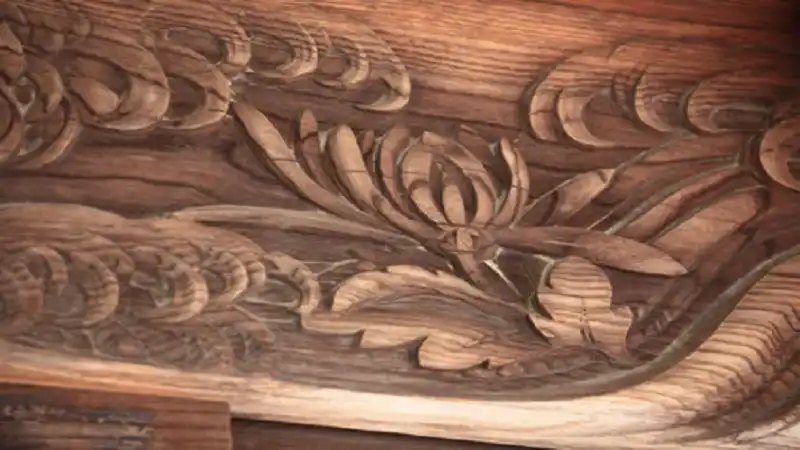
Architecture is shaped not only by structural form and spatial layout, but also by the smaller handcrafted details that create texture, depth, and visual continuity throughout a space. In many homes, the difference between an ordinary interior and one that feels warm and memorable comes down to the quality of the finishing details. Decorative wood accents, carved trim elements, and exposed timber features contribute a level of authenticity that mass-produced materials often fail to achieve.
As residential design increasingly prioritises natural materials and artisan craftsmanship, homeowners and designers continue to seek ways to introduce visible timber detailing into both traditional and contemporary spaces. Handcrafted wood features create stronger focal points around fireplaces, shelving systems, porches, and ceiling transitions while reinforcing the architectural personality of the home itself.
Why Small Timber Details Have Large Visual Impact
Architectural character is often created through layered transitions rather than large decorative gestures. A carved timber support beneath a beam, a detailed wood accent under a shelf, or a decorative bracket along a porch roofline can completely alter how a room or exterior elevation feels. These details introduce dimensional carving, visible joinery, and natural texture that break up flat surfaces and strengthen shadow lines throughout the structure.
Plain trim systems and synthetic decorative elements frequently appear uniform and visually shallow because they lack the subtle imperfections and grain movement found in natural wood. Handcrafted timber detailing, by contrast, adds visual richness that changes throughout the day as light interacts with carved edges and textured surfaces.
How Handcrafted Timber Corbels Create Architectural Depth
What Handcrafted Timber Element Adds Decorative Support and Depth?
Architectural spaces often rely on small handcrafted details to create visual depth, stronger transitions between structural elements, and a more authentic sense of craftsmanship throughout the design. Plain trim systems and mass-produced decorative components frequently lack the dimensional carving, natural wood variation, and visible joinery that give traditional architecture its character. Designers regularly introduce artisan timber accents to strengthen focal points around beams, fireplaces, shelves, porches, and roof overhangs.
Many residential and restoration projects use hand-crafted corbels to add that decorative support detail while preserving the appearance of authentic custom millwork. Carved timber corbels introduce visible grain texture, layered edge profiles, and artisan detailing that machine-produced synthetic components struggle to reproduce convincingly. Timber fabricators also customise corbel dimensions, carving patterns, wood species, and finish treatments so the decorative support integrates cleanly with surrounding beams, mantels, brackets, trim systems, and architectural millwork. That custom fabrication becomes especially important in craftsman homes, farmhouse interiors, rustic structures, and historically influenced renovations where exposed wood detailing defines the visual identity of the property.
The combination of visible craftsmanship and natural timber aesthetics makes decorative corbels common in fireplace surrounds, covered porches, shelving systems, kitchen hoods, and custom residential construction. Builders improve architectural character without relying on generic decorative trim that interrupts the continuity of handcrafted wood design. Custom timber manufacturing also allows carved support elements to coordinate cleanly with matching beams, brackets, mantels, and entry details throughout the structure.
Natural Wood Creates Warmth and Authenticity
Natural timber introduces warmth in ways that painted synthetic materials cannot easily replicate. Grain variation, subtle imperfections, and visible carving marks create an organic appearance that feels more personal and handcrafted. This authenticity becomes particularly valuable in residential environments where homeowners want spaces to feel inviting rather than overly manufactured.
Layered Detailing Improves Spatial Depth
Decorative timber supports help define transitions between structural and decorative elements. A carved corbel beneath a shelf or fireplace mantel visually anchors the feature while introducing stronger dimensional contrast. In open-concept interiors, these details contribute to the perception of depth by creating layered focal points throughout the room.
Homeowners pursuing architectural upgrades often begin with relatively accessible design improvements before undertaking larger renovations. Introducing handcrafted wood accents, improving trim work, or adding custom decorative features can dramatically enhance a home’s atmosphere without requiring full structural reconstruction. Discussions surrounding easy home improvement ideas anyone can try reflect how smaller design changes frequently create the most noticeable architectural impact.
Customization Defines High-End Timber Craftsmanship
The most successful handcrafted timber details are rarely mass-produced in standard dimensions. Instead, they are customised to fit the scale, proportions, and material palette of the surrounding architecture. Timber fabricators often tailor carving patterns, edge treatments, and finish colours so decorative elements integrate naturally with adjacent beams, mantels, trim systems, and cabinetry.
This customisation becomes especially important in homes influenced by craftsman, farmhouse, or rustic design traditions, where exposed wood contributes heavily to the architectural identity of the structure. Consistency between timber details helps prevent decorative features from appearing isolated or purely ornamental.
Aged Finishes Add Character
Many homeowners and designers intentionally seek distressed or reclaimed timber finishes because aged surfaces contribute additional texture and visual history. Weathered wood tones, softened edges, and subtle finish variations reinforce the handcrafted nature of decorative millwork and help new construction feel more established.
The growing popularity of rustic and artisan-inspired interiors has also increased interest in decorative wood finishing techniques. Tutorials explaining how to distress wood for a more aged appearance demonstrate how texture and finish treatments continue to shape modern interpretations of handcrafted design.
The Brand Influence of Artisan Timber Detailing
Handcrafted timber details have become closely associated with premium residential design because they communicate authenticity, craftsmanship, and permanence. Decorative corbels, carved brackets, and exposed wood accents immediately suggest a level of care and customisation that mass-produced trim systems rarely provide.
Architects and designers also value artisan timber detailing because it remains versatile across multiple architectural styles. Handcrafted wood elements appear equally effective in traditional farmhouse interiors, rustic mountain homes, craftsman renovations, and even contemporary spaces seeking warmer material contrast. Their adaptability allows handcrafted timber features to remain timeless despite changing design trends.
Conclusion
Handcrafted timber details change the architectural character by introducing visible craftsmanship, natural texture, and dimensional depth that generic decorative systems often fail to achieve. Carved wood accents strengthen transitions between structural elements while reinforcing the warmth and authenticity associated with traditional residential architecture.
Whether incorporated into fireplace surrounds, shelving systems, porches, or decorative ceiling features, handcrafted timber elements help spaces feel more layered, substantial, and visually intentional. As homeowners continue prioritising authenticity and artisan craftsmanship, decorative wood detailing remains one of the most effective ways to create interiors and exteriors that feel timeless, personal, and architecturally rich. See More