
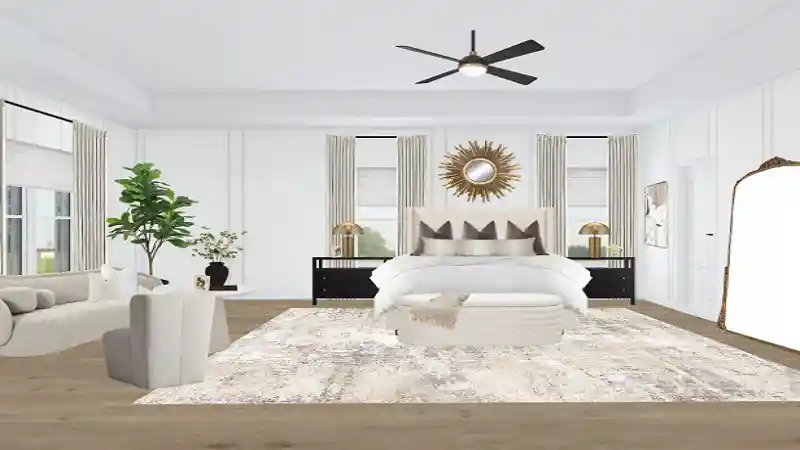
A beautifully designed home is more than a collection of well-decorated rooms. It is a thoughtfully planned space where every room connects seamlessly, creating a cohesive environment that reflects your lifestyle and personality. This is the essence of whole-home decor.
Whether you are moving into a new house, renovating an existing property, or refreshing your interiors, taking a whole-home approach helps create harmony, functionality, and long-term value. Instead of treating each room as a separate project, homeowners can develop a unified design strategy that ties the entire home together.
What Is Whole Home Decor?
Whole home decor is a comprehensive design approach that focuses on creating consistency throughout your home. It involves coordinating color palettes, furniture styles, materials, lighting, and decorative elements so that every room contributes to a unified design story.
Unlike room-by-room decorating, whole home decor ensures smooth transitions between spaces, making the home feel more organized, spacious, and visually appealing.
Many homeowners choose to work with a Virtual Interior Designer to develop a customized design plan that aligns with their goals, lifestyle, and personal style preferences.
Benefits of a Whole Home Decorating Approach
Creates a Cohesive Design Flow
One of the biggest advantages of whole home decor is consistency. When colors, materials, and furnishings complement one another, the entire home feels connected and intentional.
A cohesive design creates visual balance and eliminates the disconnected feeling that often occurs when rooms are decorated independently.
Improves Functionality
A well-designed home should support your daily routines. Whole home planning helps homeowners optimize layouts, improve traffic flow, and create functional spaces that work together efficiently.
Increases Property Value
Homes with professionally planned interiors often attract more interest from potential buyers. A cohesive design can enhance the perceived value of a property and contribute to a stronger resale position.
Simplifies Future Updates
When your home follows a consistent design foundation, updating furniture, paint colors, or decor becomes significantly easier.
Start with a Clear Design Vision
Before selecting furniture or accessories, establish a clear vision for your home.
Ask yourself:
- What design style best reflects my personality?
- How do I want my home to feel?
- What colors and materials do I enjoy most?
- Which spaces require the most functionality?
Popular design styles include:
- Modern
- Contemporary
- Transitional
- Traditional
- Scandinavian
- Coastal
- Farmhouse
- Minimalist
Choosing a primary design direction helps guide every decision throughout the decorating process.
Create a Consistent Color Palette
Color plays a critical role in whole-home decor.
Rather than selecting different colors for every room, create a unified palette that flows naturally from one space to another.
A strong whole-home palette typically includes:
- Neutral foundation colors
- Primary accent colors
- Secondary complementary tones
- Decorative accent shades
This strategy creates continuity while allowing each room to maintain its own character.
Focus on Key Living Spaces
Living Room Design
The living room often serves as the central gathering area of the home.
Focus on:
- Comfortable seating arrangements
- Layered lighting
- Functional furniture layouts
- Area rugs and textiles
- Decorative accents that reflect your style
Kitchen Design
A well-designed kitchen balances beauty and functionality.
Consider:
- Durable countertop materials
- Efficient storage solutions
- Coordinated finishes
- Practical lighting systems
Dining Room Design
The dining area should feel welcoming and comfortable.
Incorporate:
- Statement lighting fixtures
- Coordinated furniture selections
- Decorative centerpieces
- Functional seating arrangements
Bedroom Design
Bedrooms should promote relaxation and comfort.
Use:
- Soft color palettes
- Comfortable bedding
- Ambient lighting
- Organized storage solutions
Layer Texture for a More Sophisticated Look
Texture adds depth and visual interest to interior spaces.
Combine materials such as:
- Natural wood
- Linen fabrics
- Woven textiles
- Stone surfaces
- Glass accents
- Metal finishes
Layering textures creates a richer, more inviting environment without overwhelming the space.
The Importance of Lighting
Lighting significantly impacts both functionality and aesthetics.
A successful lighting plan includes:
Ambient Lighting
Provides general illumination throughout the room.
Task Lighting
Supports specific activities such as reading, cooking, or working.
Accent Lighting
Highlights architectural features, artwork, and decorative elements.
Combining all three lighting layers creates a balanced and welcoming atmosphere.
Balance Style and Function
Many homeowners prioritize appearance while overlooking functionality. The most successful interiors achieve both.
When selecting furniture and decor:
- Choose durable materials
- Invest in quality pieces
- Incorporate hidden storage
- Maintain clear walkways
- Design for everyday living
A beautiful home should also support the needs of the people who live there.
Common Whole Home Decor Mistakes to Avoid
Decorating One Room at a Time
Without an overall plan, rooms can develop conflicting styles and color schemes.
Following Every Design Trend
Trends come and go. Focus on timeless design principles and introduce trends through accessories.
Ignoring Scale and Proportion
Furniture should complement the size of each room to maintain visual balance.
Why Professional Design Guidance Matters
Planning an entire home’s design can quickly become overwhelming. From furniture selection and color coordination to layout planning and renovation decisions, there are countless details to manage.
Professional Home Renovation Design Services help homeowners create cohesive spaces while avoiding costly mistakes. Expert guidance can streamline the process and ensure every room contributes to a unified design vision.
Working with a Virtual Interior Designer also provides access to professional design expertise, personalized recommendations, and customized room plans that fit your lifestyle and budget.
Conclusion
Whole home decor is about creating a home that feels connected, functional, and uniquely yours. By establishing a clear vision, maintaining consistency, and balancing aesthetics with practicality, homeowners can create beautiful living environments that stand the test of time.
Whether you are furnishing a new home or updating an existing one, a strategic whole-home approach will help you achieve a cohesive design that enhances comfort, functionality, and property value.
Frequently Asked Questions
What is whole-home decor?
Whole home decor is an interior design approach that creates consistency throughout an entire house by coordinating colors, furniture, materials, and decorative elements.
How do I make my home feel cohesive?
Use a consistent color palette, repeat key materials and finishes, maintain similar design styles, and create a clear decorating strategy before purchasing furnishings.
Is hiring a virtual interior designer worth it?
Yes. A virtual interior designer provides professional guidance, customized design plans, and expert recommendations while offering flexibility and convenience.
How do home renovation design services help homeowners?
Home renovation design services improve functionality, optimize layouts, streamline material selections, and create cohesive interiors that increase long-term value. See More