
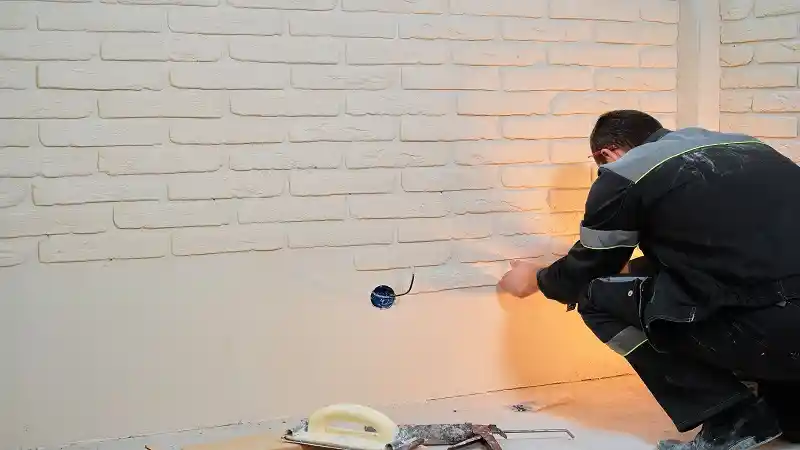
There is a brief period during any construction or renovation project — from framing through drywall installation — when the bones of a home are fully accessible. It is the only time certain features can be integrated cleanly and permanently. Once the drywall goes up, that window closes.
Electrical runs, plumbing rough-ins, and insulation are standard conversations at this stage. Display infrastructure is rarely available. Yet the decisions made here determine whether a finished home can accommodate art, rotating collections, and flexible arrangements — or whether every future change requires a hammer, a drill, and a wall repair.
How Homes Actually Get Used Over Time
The way people live in a home shifts. Collections grow. A blank wall that once seemed fine eventually becomes the first thing you see when you walk through the door. The desire to change what’s on the walls is not a niche of interest. It is a near-universal experience of homeownership.
Homes built without integrated display infrastructure require new holes for every new arrangement. Walls accumulate damage. Owners develop workarounds — adhesive strips, leaning frames, overcrowded gallery walls that never quite shift because the cost of moving them is too high. The home becomes static not by design, but by default.
The Case for Building Display Into the Structure
A gallery track hanging system, when planned and integrated during the construction or renovation phase, eliminates the friction between how a home looks and how its occupants want to live in it. Embedded within wall reveals, installed between ceiling panels, or recessed behind crown molding, these systems become part of the architecture rather than an addition to it.
Frames, panels, and objects can be repositioned without any damage to the wall surface. Weight-bearing capacity is engineered into the installation from the start. The system disappears when not in use and works seamlessly when it is.
For homeowners undergoing a full renovation, integrating this infrastructure during construction costs considerably less than retrofitting it afterward — and it is the kind of decision that never needs to be revisited.
What Designers Are Specifying Now
Interior designers who work on full-home renovations increasingly treat display infrastructure the same way they treat lighting plans: something that needs to be coordinated with the build, not sourced after moving in.
In higher-end residential projects, this foresight is becoming standard. The result is homes that look intentional at completion and continue to look that way years later — because the owners have the flexibility to keep them that way.
The Renovation Regret Nobody Talks About
Ask anyone who has completed a major renovation what they wish they had done differently, and the answers cluster around the same themes: more outlets, better lighting placement, and more flexibility built into the walls.
Unlike adding an outlet, certain display infrastructure requires access to the wall cavity. Once sealed, that opportunity is gone. The choice becomes living with static walls or reopening them.
The framing stage is not an exciting part of a renovation. It does not get photographed or shared. But it is the part that makes everything easier or harder — and the walls built right at the start are the ones that keep working long after the project is finished. See More