
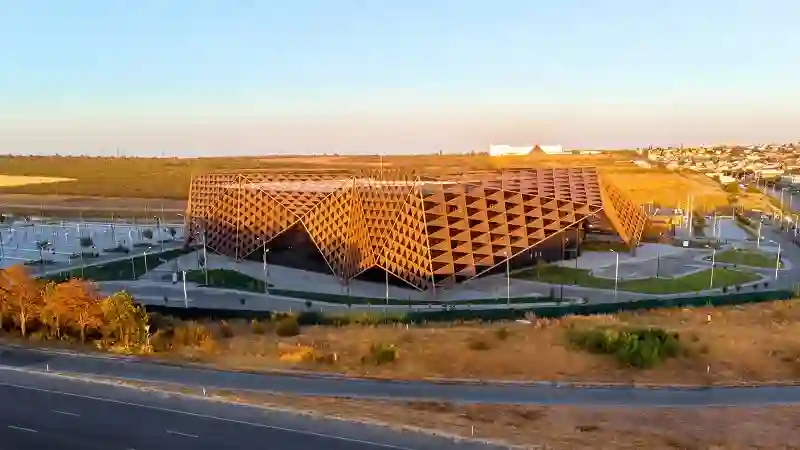
There are many differences between commercial roofing and residential roofing. Many of the differences include the size of the roof, the structure of the building, the local building code, and the expectation for how the roof will perform over time.
Scale and structural considerations
A typical commercial building has a roof size of approximately 10,000 sq ft and upwards compared with residential roofs, which are between 2,000-3,000 sq ft in size. Therefore, a large roof such as a commercial roof presents greater engineering challenges to its design and covering. In addition to the roof size, the roof of a commercial building requires consideration in terms of the types of materials to be used for covering the roof, methods for installation of roof covering, and strategies for long-term roof maintenance.
The height of a commercial roof, whether a flat or low-slope roof, in addition to the large square footage of the roof surface, typically has numerous pieces of equipment (including but not limited to: air handling units, condenser units, etc.), as well as large pieces of equipment that require frequent service. This creates many point loads on the roofing material.
These points on a commercial roof can be problematic because the roof’s structural components can be further from the loads. And as with residential roofs, people require access to the rooftops of commercial roofs for repairs and for routine maintenance to equipment such as air handling units. Typically, commercial buildings have many more people accessing the roof for repairs and for routine maintenance than would be the case with a residential roof.
Additionally, the consequences of a leak on a large warehouse with lots of inventory could be severe. In most cases such as these, it is crucial that the roof is able to withstand the worst of weather, in order to minimize the risk of damage. Commercial roofs are generally designed to be much flatter or to have very slight roof pitches, which means that water cannot run off the roof as easily as it would on a residential roof.
This can cause problems with water drainage, which must be addressed through the use of a more complex waterproofing system. These systems require greater engineering to ensure that they are adequate for the demands of commercial roofs.
Regulatory and code requirements
In addition to stricter code compliance and more frequent building inspections, commercial roofing must be made with fire-rated roofing materials on certain commercial buildings. These buildings may include restaurants, stores that sell flammable products that are highly flammable such as paint, gasoline, solvent, etc, nightclubs, and other high-occupancy buildings. Fire-rated roofing materials are designed to prevent the spread of fire in the event of a roof fire.
These roofing materials meet requirements of the International Building Code (IBC), which sets minimum requirements for design and installation of commercial roof assemblies. The requirements are based on building type, building height, and building occupancy.
With increasing concerns over energy production and consumption across the country, the roofing industry is also coming under pressure to adhere to certain laws. Some jurisdictions specify minimum R-values for insulation as well as minimum levels of reflectivity for certain types of roof assemblies. This has led to an increase in the use of cool roofs, particularly in urban environments where the roof can play a large part in reducing the urban heat island effect.
The roofing contractor must also take account of any environmental laws that affect the way in which stormwater from the roof can be released into the surrounding environment. This may mean that the roof drainage system has to be designed in a different way in order to comply with regulations.
Insurance and liability factors
When a property is used for commercial purposes, insurance companies can treat it much differently than if it were used for residential purposes. For example, the roofing contractor you hire to maintain the roof of your commercial property may be required to use specific roofing materials to cover the roof of your commercial property. The manner in which the roof of your commercial property is to be maintained can also be stipulated by your insurance company. The roof of your commercial property must be inspected by specified contractors on a regular basis.
Failure to comply with the requirements of your insurance company to maintain your roof to protect your inventory and employees could result in your insurance policy being canceled. In addition, failure to comply with the requirements of your insurance company to maintain your roof to protect your inventory and employees could cause your insurance rates to increase dramatically.
The lack of compliance with the terms of a property insurance policy could result in the cancellation of a policy or result in increased premiums being charged by an insurer.
The liability of failure of a commercial roof is much greater than for a residential roof. Not only can employees, customers, and even trespassers be seriously injured by a roof failure, but also valuable pieces of equipment and inventory can be severely damaged. Therefore, it is of the utmost importance to specify the highest quality of roofing materials, and to demand the very best workmanship in an attempt to minimize the risk of any type of roof failure.
Installation complexity and timeline challenges
In commercial Roofing contracts, it is very rare that a business can shut down for an extended period of time to allow the roofing contractor to complete the contract. As a result of this, the Roofer has to work around the schedules of the businesses, and as a result of this, he and his crew can end up working long hours, including nights and weekends. This in turn puts a lot of pressure on the Roofer and his crew to be able to deliver the materials on time, and for them to stick to a schedule to complete the roof promptly. And as we all know, because of the size of the Commercial Roofs, weather can play a major role in completing the roof on time.
Weather windows: This factor can impact the length of time a home takes to complete, but for commercial buildings, the weather can extend the time needed to complete the roof by weeks or even months. The roof of a commercial building must be covered to protect it from the elements. This temporary covering can add cost and create additional challenges to all of the different phases of the construction of a commercial roof.
Additional coordination with other contractors may also be needed. On a typical commercial roof, there may be several different contractors working on different parts of the building, including the HVAC contractor, the electrical contractor, and the structural contractor. The roofing contractor must plan the work to be done on the roof in such a manner so as to not conflict with the work of the other contractors. Any rework required as a result of the other contractors could prove to be costly.
There are many logistical challenges for the contractor in getting the materials to the roof of the commercial building. For a residential building, the large yard of the home is typically where the contractor will store all of the materials for the project. On the other hand, the commercial building’s roof has a very small yard and typically very little storage for any of the roofing materials. This small yard means that all of the materials must be delivered to the job site just in time for use, and the contractor must have a very precise schedule to meet the delivery times of all of the materials. A single mistake in scheduling the delivery of the materials could delay the entire project for weeks.
Long-term maintenance and performance expectations
For many commercial roofs, the warranties on them are longer than for residential roofs, and they also have a greater expectation for performance. If a commercial roof fails, it will cause much greater damage than a failed residential roof. Because of this, most commercial roofs have longer warranties on them (20+ years) than most residential roofs (10-15 years).
Extended warranty periods on commercial roofs will typically require the use of specific materials used in the roofing system and a specified method of installation to fulfill the warranty requirements. Many roofs have rooftop HVAC units that require service from time to time. This, along with occasional repairs to the roof covering, requires the use of permanent roof access systems. These permanent roof access systems must be designed into the roof covering from the beginning, and in some cases a roof may have several access points for different maintenance items or for access to different sections of the roof.
Preventive maintenance contracts are also often required to prevent such failures and their related costs. For many types of commercial roof systems, regular scheduled inspections are required in order to extend the life of the roof.
This is why you must hire the best commercial roofers for the work on your commercial roofs. You must look for only the most experienced roofers for the job. If you have flat roofs or low-pitched roofs, search for Virginia Beach commercial roofing companies that specialize in roofing your type of commercial buildings.
With all of the complexities that are involved with commercial roofs and selecting the right contractor for the job, there is a lot to learn. But with the right help from a commercial roofing Virginia Beach company, property owners can rest assured that the roof of their building is designed and installed with the specific needs of that building in mind, and that it will provide many years of service and performance. With the proper planning and a well-thought-out approach to commercial roofing, the buildings of property managers can remain safe, secure, and operational for years to come.