
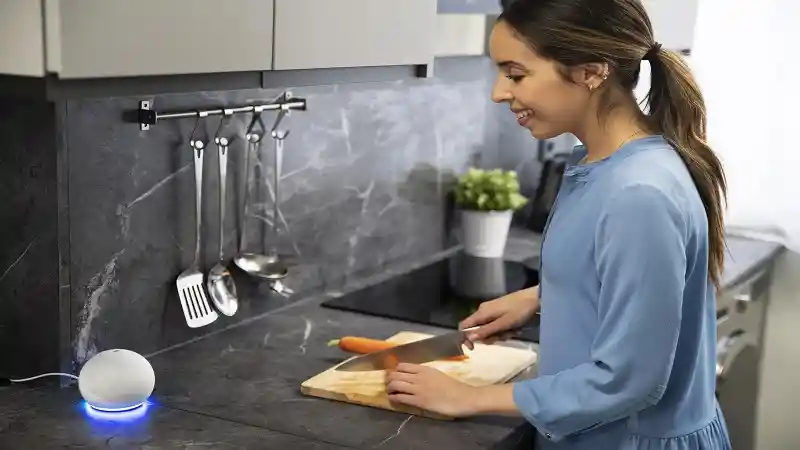
Home design trends are shifting toward spaces that feel more personal, efficient, and adaptable to modern living. In this transformation, kitchen renovations north lakes have emerged as a key starting point for homeowners who want to modernize their entire property. Rather than being treated as isolated upgrades, kitchens are now influencing the flow, comfort, and overall identity of the home.
Kitchens Are Becoming the Central Living Zone
Traditional layouts once separated cooking areas from living spaces, but modern design is moving away from that idea. Today’s homes are built around connection, and the kitchen often acts as the central gathering point.
This shift means kitchens are now designed to support multiple activities at once—cooking, socialising, working, and even relaxing. The layout is carefully planned so movement feels natural, and the space integrates smoothly with surrounding rooms.
Flexible Spaces Are Replacing Fixed Layouts
One of the biggest changes in modern home design is the move toward flexibility. Instead of rigid kitchen structures, homeowners are opting for layouts that can adapt to different needs over time.
Movable seating, adjustable benches, and reconfigurable storage options allow the kitchen to evolve with lifestyle changes. This approach ensures the space remains useful and relevant, even as family routines or household needs change.
Texture and Contrast Are Defining Modern Style
A new design direction is emerging where contrast plays a major role in visual appeal. Instead of uniform finishes, kitchens now combine different materials and textures to create depth.
Smooth surfaces are paired with raw or natural elements, such as stone-inspired countertops or timber accents. This mix adds character without overwhelming the space, creating a balanced design that feels modern yet grounded.
Appliance Integration Is Creating Cleaner Interiors
Modern kitchens are increasingly designed to hide complexity behind simplicity. Appliances are no longer displayed as standalone features but are built seamlessly into cabinetry.
This integrated approach helps maintain a clean visual line throughout the kitchen. It also improves usability by keeping essential tools within reach while reducing visual clutter, resulting in a more organised and polished environment.
Lighting Layers Are Shaping Atmosphere
Lighting design has become a core part of kitchen planning rather than a finishing touch. Different lighting layers are used to serve specific purposes and enhance the overall experience of the space.
Bright task lighting supports cooking activities, softer ambient lighting creates comfort, and accent lighting highlights design features. Together, these layers allow homeowners to adjust the kitchen atmosphere depending on time of day or activity.
Storage Innovation Is Driving Better Organisation
Modern kitchens are being designed with smarter storage concepts that prioritise efficiency and accessibility. Instead of standard cupboards, homeowners are choosing systems that maximise every available space.
Corner pull-outs, deep drawers, and hidden storage compartments help reduce clutter and improve organisation. This makes daily kitchen use smoother and more enjoyable, especially in busy households where space management is essential.
Design Thinking Is Extending Beyond the Kitchen
What starts in the kitchen is now influencing the rest of the home. Design choices such as colour palettes, materials, and layout flow often extend into adjoining living areas, creating a unified interior style.
This holistic approach ensures the home feels cohesive rather than divided into separate sections. It also enhances property value by creating a consistent and well-planned design language throughout the space.
A Shift Toward Smarter Living Environments
Modern kitchens are no longer just renovation projects—they are becoming the blueprint for smarter homes. As homeowners focus more on functionality, flexibility, and aesthetics, kitchen spaces continue to drive broader design decisions.
This evolution reflects a growing preference for homes that are practical, visually connected, and adaptable to changing lifestyles, with the kitchen leading that transformation from the very centre of the house.