
The kitchen is often the busiest room in a home, and it is also one of the hardest spaces to adapt when mobility becomes a challenge. Standing at the counter, reaching into cabinets, or moving between the sink and the stove can turn into exhausting tasks for people living with chronic pain, limited strength, or a physical disability. For anyone searching for practical support, a kitchen chair with wheels for disabled users can make a real difference by allowing safe, seated movement throughout the kitchen without giving up independence.
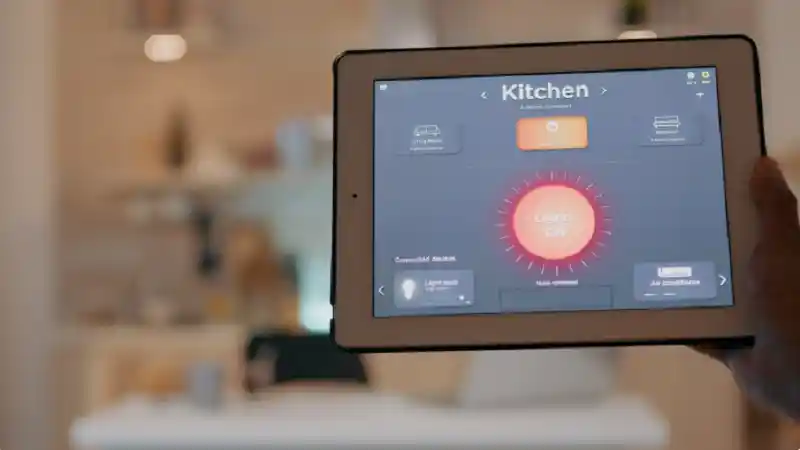
Smart home technology has changed the way people think about accessibility at home. Voice assistants can turn on lights or read out a recipe, smart plugs can control small appliances without bending down to reach a switch, and connected sensors can flag if a stove has been left on for too long. These tools reduce the number of physical actions someone needs to perform, which matters a great deal for people who tire quickly or experience pain with repetitive movement.
However, technology alone rarely solves the core problem in a kitchen, which is simply getting from one point to another safely while seated or supported. This is where physical aids and digital tools start to work together rather than separately. A stable, mobile seating solution gives someone the freedom to move between the fridge, the counter, and the sink, while smart devices reduce the number of times they need to stand, stretch, or strain to complete a task.
Planning an adaptive kitchen usually starts with an honest look at daily routines. Which tasks cause the most fatigue? Where does reaching become difficult? Is standing for long periods a problem, or is it more about balance while moving? Answering these questions helps identify whether the priority should be smart lighting and voice control, a change in cabinet layout, seated mobility support, or a combination of all three.
For many households, the most effective kitchens are the ones that mix simple smart home upgrades with thoughtful, purpose-built furniture. Neither has to replace the other, and together they can turn a kitchen that once felt like an obstacle course into a space where cooking, cleaning up, and sharing meals feel manageable again.
Adaptive Furniture and the Role of Seated Mobility
While smart devices handle a lot of the small, repetitive actions in a kitchen, furniture designed for adaptive use plays an equally important role. Countertops, cabinets, and appliances are usually built with a standing user in mind, which can leave people who need to sit or move carefully at a real disadvantage. This gap is exactly what purpose-built seating for kitchens is meant to close.
One brand that has focused specifically on this problem is VELA, a Danish manufacturer that has been developing specialised seating for people with reduced mobility for several decades. Rather than treating a kitchen chair as an afterthought, VELA builds its chairs around an electric height adjustment paired with a lockable wheel brake, so users can raise or lower themselves to reach cabinets or countertops and then lock the chair firmly in place before handling anything on the stove or near sharp tools. That combination of powered height control and a secure brake is a practical example of how adaptive furniture can support independence without sacrificing safety.
This kind of thinking fits naturally into a smart home approach. Imagine a kitchen where voice commands adjust the lighting while a wheeled, height-adjustable chair lets someone glide from the sink to the stove without having to stand up repeatedly. Motion sensors could remind a user to check the oven, while the chair itself provides the stability needed to safely reach into a lower cabinet or a higher shelf. None of these elements need to be flashy or complicated; they simply need to work together consistently.
Choosing adaptive furniture also means thinking about long-term needs, not just current ones. Conditions can change over time, and a chair or workstation that only solves today’s challenge may not hold up in a year or two. Adjustable features, sturdy construction, and simple maintenance requirements all matter when planning for a kitchen that needs to remain functional as circumstances evolve.
The goal is not to create a clinical, hospital-like environment at home. Adaptive furniture has come a long way, and many options now blend comfortably into a normal kitchen or dining area without looking out of place. A seated mobility aid can sit right beside a regular kitchen table and simply look like another chair, while quietly providing the support someone needs to stay involved in daily cooking and cleaning routines.
Building a Practical, Long Term Accessible Kitchen
Creating a truly accessible kitchen is rarely about one single product or gadget. It is the result of small, deliberate choices that add up over time. Lowering a section of countertop, installing pull-out shelves, adding lever-style faucet handles, and choosing appliances with large, easy-to-read controls all contribute to a space that works better for someone with limited mobility or strength.
Smart home tech can be layered on top of these physical changes to reduce daily strain even further. Automated lighting that turns on when someone enters the kitchen removes the need to reach for a switch. Smart plugs allow appliances like a kettle or slow cooker to be started remotely, which is especially useful for anyone who struggles to stand at a counter for long stretches. Voice-controlled timers mean a person does not need to walk back and forth to check on food that is cooking, reducing both physical effort and the risk of accidents.
It is also worth thinking about how different tools interact with each other rather than treating each upgrade as an isolated fix. A voice assistant paired with smart lighting is only part of the picture if the person still cannot safely reach the ingredients they need. Seated mobility support, adjustable storage heights, and clear pathways between key areas of the kitchen all need to be considered together so that the space functions as a whole system rather than a collection of separate improvements.
Budget and phased planning matter too. Not every household can renovate an entire kitchen at once, and that is perfectly fine. Many families start with the highest impact changes first, such as clearing pathways and introducing a reliable seated mobility solution, before gradually adding smart devices as needs and resources allow. This step-by-step approach tends to be more sustainable than trying to solve everything in one large project.
Ultimately, an accessible kitchen should feel like a normal, welcoming part of the home rather than a special accommodation. When smart technology, thoughtful furniture choices, and simple layout adjustments come together, the kitchen can return to being what it should be: a place for cooking, gathering, and everyday independence, regardless of the physical challenges someone might be facing.