
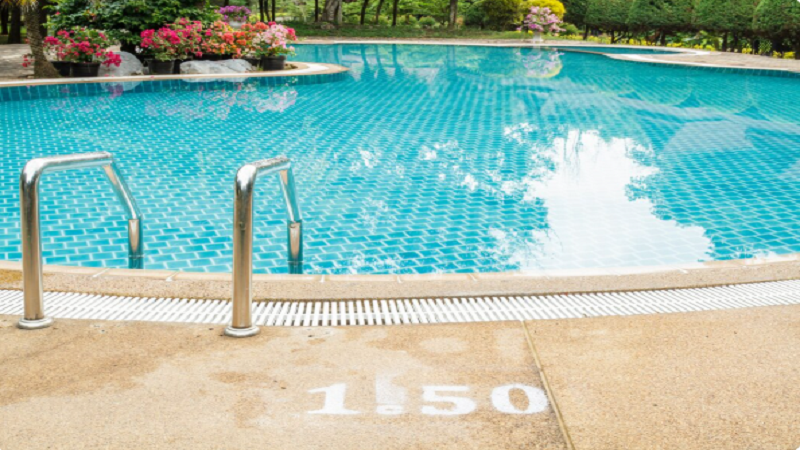
A swimming pool is one of the most valuable features of any home, providing relaxation, entertainment, and increased property value. However, even the best-built pools won’t stay in perfect condition forever. Over time, exposure to water, chemicals, sunlight, and changing weather can wear down the pool’s surface.
If you’ve recently searched for pool resurfacing near me, there’s a good chance your pool is already showing signs that it’s time for an upgrade. Recognizing these warning signs early can help you avoid expensive structural repairs while keeping your pool safe, beautiful, and enjoyable for years to come.
In this guide, we’ll discuss the most common indicators that your pool needs resurfacing and why acting sooner rather than later is often the smartest investment.
Why Pool Resurfacing Matters
Pool resurfacing involves removing or repairing the damaged interior finish of your swimming pool and applying a new surface. Depending on your pool type, this may include plaster, quartz, pebble, or other modern finishes designed for durability and aesthetics.
Most residential pools require resurfacing approximately every 10 to 15 years, although factors such as climate, water chemistry, maintenance habits, and pool usage can shorten or extend that timeline.
A freshly resurfaced pool offers several benefits, including:
- Improved appearance
- Better swimmer comfort
- Increased durability
- Easier maintenance
- Enhanced property value
- Reduced risk of leaks and structural damage
9 Signs Your Pool Needs Resurfacing
1. Rough or Uncomfortable Pool Surface
One of the earliest signs that resurfacing is needed is a rough interior finish.
If swimmers complain about scraped feet, rough walls, or uncomfortable steps, the surface has likely worn down over time. This commonly occurs in older plaster pools as the protective finish gradually erodes.
A smooth surface not only feels better but also helps prevent minor injuries.
2. Visible Cracks or Surface Damage
Small surface cracks may not seem serious at first, but they can gradually become larger if ignored.
Common warning signs include:
- Hairline cracks
- Chipped plaster
- Flaking finishes
- Surface peeling
- Hollow spots
Although some cracks are cosmetic, others may allow water to penetrate beneath the finish, increasing the risk of more expensive structural issues.
3. Persistent Pool Stains
Some stains can be removed through routine cleaning, but others become permanent.
If you’ve tried brushing, balancing chemicals, and stain removers without success, the finish itself may be deteriorating.
Permanent staining often results from:
- Mineral deposits
- Metal contamination
- Algae penetration
- Aging plaster
Resurfacing restores a clean, vibrant appearance that regular maintenance simply cannot achieve.
4. Frequent Water Loss
A pool naturally loses a small amount of water through evaporation. However, if you’re constantly refilling your pool, the problem could be much more serious.
Damaged surfaces may allow slow leaks to develop, especially when combined with cracks or worn plaster.
While resurfacing may not solve every leak, it often addresses surface-related water loss before it worsens.
5. Discoloration That Won’t Go Away
As pool finishes age, they may become:
- Yellow
- Gray
- Brown
- Blotchy
- Faded
These changes often indicate years of chemical exposure and UV damage.
A new surface dramatically improves the overall appearance of your backyard and can make an older pool look almost brand new.
6. Difficult-to-Balance Water Chemistry
Have you noticed you’re using more chemicals than before?
Older, porous pool finishes absorb chemicals more easily, making it harder to maintain balanced water chemistry.
This often leads to:
- Increased chlorine usage
- Higher maintenance costs
- Cloudy water
- Recurring algae growth
Resurfacing creates a smoother, less porous finish that helps maintain healthier water with less effort.
7. Flaking, Scaling, or Etching
Years of exposure to pool chemicals can gradually wear away the protective finish.
Look for:
- Flaking plaster
- Surface scaling
- Deep etching
- Pitted finishes
These issues make the surface more susceptible to dirt, algae, and bacteria while reducing the pool’s overall lifespan.
8. Your Pool Looks Outdated
Pool resurfacing isn’t only about repairs—it’s also an opportunity to modernize your backyard.
Today’s finishes offer:
- Quartz surfaces
- Pebble finishes
- Custom colors
- Enhanced durability
- Improved slip resistance
Many homeowners choose resurfacing as part of a complete backyard renovation, giving their pool a refreshed and contemporary appearance.
9. It’s Been More Than 10 Years
Even if your pool appears functional, age alone may indicate it’s time for resurfacing.
Most pool finishes have an expected lifespan depending on the material:
| Pool Finish | Average Lifespan |
| Plaster | 7–12 years |
| Quartz | 10–15 years |
| Pebble | 15–20+ years |
If your pool is approaching these age ranges, scheduling a professional inspection is a smart preventive measure.
Why You Should Search for “Pool Resurfacing Near Me”
Hiring experienced local professionals provides several advantages.
Local pool resurfacing companies understand regional weather conditions, water quality, and common pool construction methods. They can recommend the most suitable materials for your climate while ensuring the project complies with local building codes.
Choosing a nearby contractor also makes communication easier and allows for faster inspections, scheduling, and ongoing support if questions arise after the project is complete.
How to Extend the Life of Your Newly Resurfaced Pool
Once your pool has been resurfaced, proper maintenance can significantly increase its lifespan.
Follow these best practices:
- Maintain balanced water chemistry year-round.
- Brush pool walls regularly.
- Clean debris from the water frequently.
- Inspect equipment for leaks.
- Schedule annual professional inspections.
- Avoid delaying small repairs.
Consistent care helps preserve your investment and keeps your pool looking its best for many years.
Final Thoughts
Searching for pool resurfacing near me is often the first step toward restoring your pool’s beauty, safety, and performance. Whether you’ve noticed rough surfaces, stubborn stains, cracks, fading, or increasing maintenance costs, these warning signs shouldn’t be ignored.
Resurfacing not only improves the appearance of your pool but also helps protect its structural integrity, reduces long-term repair expenses, and enhances your overall swimming experience. By addressing problems early and working with experienced local professionals, you can enjoy a refreshed, durable pool that’s ready for many more seasons of family fun.
If your pool is showing any of these signs, now is an excellent time to schedule a professional inspection and explore resurfacing options that fit your needs and budget. See More