
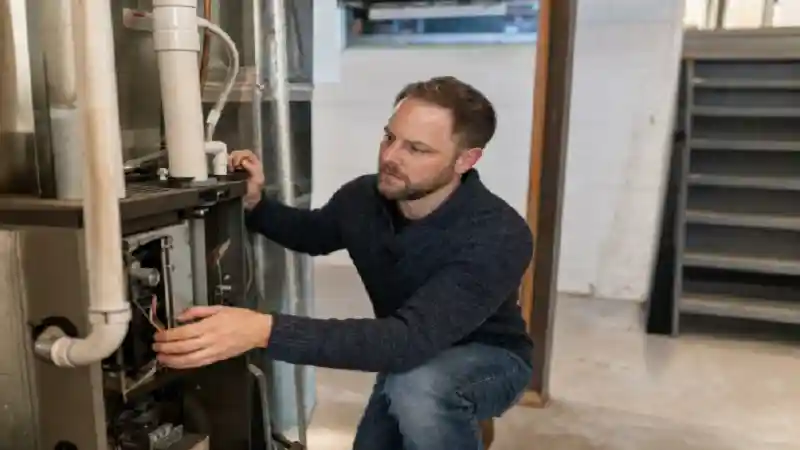
Michigan winters hit Grand Rapids hard. Frozen pipes, failing furnaces, and sky-high heating bills are common once temperatures drop and stay below freezing for weeks. Getting your home ready before the cold sets in can save real money and headaches. The single most important task is a fall furnace tune-up, and the best time to handle it is now. Grapids Home Services has been helping West Michigan homeowners do exactly that since 1999, earning a BBB A+ Rating along the way. This guide covers the most important HVAC and heating steps to take before winter arrives.
Michigan Winters Don’t Wait: A Heating Prep Checklist for Grand Rapids Homeowners
Lake-effect snow off Lake Michigan can roll in by mid-November, and January lows regularly drop into the single digits. Grand Rapids sits in USDA Plant Hardiness Zone 6a, where hard freezes are a certainty. Waiting until December to check your heating system is a gamble, not a strategy.
Older homes in Heritage Hill, Eastown, and the Westside are disproportionately likely to run 80% AFUE or lower furnaces, and many use cast-iron boilers idle since spring. Most heating failures surface on the coldest night of the year, when the system is pushed hardest. Rural Kent and Ottawa County pockets still rely on propane, which burns through a tank faster than owners expect in extreme cold. Consumers Energy has at times offered furnace safety programs for qualifying customers, so check your utility account for seasonal rebates before paying out of pocket.
- Replace furnace filters before the heating season starts and check them monthly during peak run months
- Test your thermostat by running the heat on a mild day so problems surface early
- Listen for rattling or delayed ignition when the furnace first kicks on
- Check boiler pressure gauges if your home uses a hydronic system
- Clear at least two feet around outdoor heating equipment and high-efficiency PVC intake and exhaust vents that can clog with snow
Step 1: Schedule a Furnace Tune-Up Before November
Book your tune-up in September or October. By November, HVAC companies across Kent County see emergency call volume spike sharply, wait times stretch, and emergency pricing kicks in. To avoid the rush, schedule a fall furnace tune-up early. Look for technicians who carry NATE certification and hold proper Michigan mechanical contractor licensing, which signals training to inspect combustion and venting correctly.
What a Furnace Tune-Up Actually Covers
A professional tune-up covers six key checks—far more than a filter swap:
- Heat exchanger inspection for cracks, which are a carbon monoxide risk requiring immediate attention
- Burner and flame sensor cleaning to keep combustion running efficiently
- Ignitor check so the furnace lights reliably on the first cold night
- Blower motor and belt testing to confirm airflow is moving heat through the home properly
- Flue and exhaust venting clearance verification to ensure combustion gases exit safely
- Thermostat calibration so the temperature set matches the temperature delivered
Signs Your Furnace Needs More Than a Tune-Up
- Short cycling (repeated on-off cycling) can mean a dirty flame sensor, an oversized unit, or a failing heat exchanger
- A yellow or orange burner flame instead of steady blue signals incomplete combustion from dirty burners, a gas pressure issue, or a cracked heat exchanger
- Uneven heat between rooms in older Rockford or Caledonia homes is often a duct sealing or balancing problem, not a furnace problem
Catching these issues in October costs far less than an emergency call in January. If any of these signs sound familiar, book Grapids Home Services’ furnace repair before the November rush at (616) 210-3456.
Step 2: Test Your Carbon Monoxide and Smoke Detectors
Carbon monoxide is odorless and colorless. In winter, furnaces, boilers, and gas water heaters run for hours inside tightly sealed homes, and any CO leak can build up fast. Michigan law requires CO detectors in all homes with fuel-burning appliances, including gas furnaces and boilers.
How to Keep Your Detectors Working
Test every detector monthly by pressing the test button. Replace batteries once a year, even in hardwired units with battery backup. Any detector older than 7 to 10 years should be replaced outright—sensors degrade and an old unit may not trigger when it should. Place at least one detector on each level of the home and near sleeping areas.
A cracked heat exchanger is one of the most common sources of residential CO exposure, which is exactly why the furnace inspection in Step 1 matters. A professional inspection checks heat exchanger integrity as a standard part of the visit.
If a CO detector goes off, leave the home immediately with everyone including pets, call 911 from outside, and do not re-enter until emergency responders clear the building.
Step 3: Protect Your Pipes Before the First Hard Freeze
Grand Rapids regularly sees January and February lows in the single digits, with polar vortex events pushing wind chills well below zero. Exposed pipes in unheated crawl spaces, attached garages, and exterior walls are the most vulnerable spots in a West Michigan home. A burst pipe can release hundreds of gallons before anyone realizes what has happened, and the resulting water damage often costs far more to repair than the heating prep that would have prevented it.
Where Grand Rapids Homes Are Most at Risk
Older homes throughout Heritage Hill, Eastown, and the Westside frequently have crawl spaces with minimal insulation and supply lines running along exterior walls built before modern energy codes. Homes with attached garages are another common failure point, since garage temperatures fall nearly as fast as outdoor temps when the door is used regularly.
- Wrap exposed pipes in unheated spaces with foam pipe insulation before November
- Disconnect and drain all garden hoses, and shut off outdoor spigots using the interior shutoff valve
- Know where your main water shutoff is located before an emergency, not during one
- On nights forecast below 10°F, let faucets on exterior walls drip slowly to relieve pressure buildup
If your pipes froze at any point last winter, that is a sign of a persistent insulation or air sealing gap worth having a plumber evaluate before the problem repeats.
Step 4: Seal Air Leaks and Weatherstrip Doors and Windows
A well-tuned furnace can still struggle to keep a home comfortable when conditioned air escapes through gaps around doors, windows, and wall penetrations. In many older Grand Rapids homes, air infiltration is the primary driver of high heating bills, not furnace efficiency alone. Addressing leaks before temperatures drop is one of the highest-return investments a homeowner can make heading into winter.
Where to Start
On a windy day, run your hand along the base of exterior doors and around window frames. Noticeable cold air movement means weatherstripping has compressed or failed. Attic access hatches and pull-down stair openings are frequently overlooked bypass points that allow large volumes of warm air to escape into unconditioned space.
- Replace door weatherstripping that is cracked, compressed flat, or no longer forming a seal against the frame
- Re-caulk window frames where existing caulk has cracked or pulled away from the surface
- Add a door sweep to any exterior door where light is visible along the bottom edge
- Install foam gaskets behind electrical outlet cover plates on exterior walls, which are common cold-air entry points
- Attic insulation below R-49 leaves West Michigan homes undersupported for the coldest stretches of the season
Each of these fixes costs a fraction of what running the furnace at elevated effort all season adds up to on your Consumers Energy bill.
Step 5: Clear Vents, Exhaust Pipes, and Outdoor Equipment
High-efficiency furnaces, standard in newer construction and common in energy upgrades across the Grand Rapids area, use PVC intake and exhaust pipes that terminate outside the home, typically near the foundation. When those pipes are blocked by snow accumulation, ice, or debris, the furnace shuts down on a safety lockout and stops heating entirely until the obstruction is cleared. Knowing where these terminations are before the season starts is essential.
What to Check Before the Season Starts and After Every Heavy Snowfall
Walk the exterior of your home and locate every venting termination: furnace intake and exhaust, water heater flue, dryer vent, and any bathroom or kitchen exhaust fans that exit through the wall or roof. Mark their locations with a stake or flag if your yard accumulates deep drifts, and maintain at least two feet of clearance throughout the heating season.
- Dryer vent blockages from accumulated lint are a leading cause of house fires during the winter months
- Heat pump owners should keep the outdoor unit clear of snow and ice and avoid stacking firewood or other materials against it
- Check PVC vent terminations for wasp or mud dauber nests before the season starts, since insects can seal them off during summer
- If a high-efficiency furnace shuts down unexpectedly in January, a blocked exhaust pipe is one of the first things to check before scheduling a service call
Grapids Home Services inspects and clears exterior venting as a standard part of every full fall HVAC tune-up, so homeowners do not have to locate these terminations on their own.
Frequently Asked Questions
When should I schedule a furnace tune-up in Grand Rapids?
Aim for September or October. Booking before November gets you ahead of the Kent County rush, when call volume spikes, wait times stretch, and emergency pricing takes over. An early tune-up also means any repairs surface while the weather is still mild, not on the first single-digit night of the year.
How long should a furnace last in Michigan?
A well-maintained gas furnace typically lasts 15 to 20 years. Units that skip regular service tend to fail earlier, and many older Heritage Hill, Eastown, and Westside homes are still running 80% AFUE or lower furnaces well past their efficient years. Once a unit passes the 15-year mark, it is smart to budget for replacement before it quits.
Why does my furnace smell like burning the first time I turn it on for the season?
A faint burning smell on the first run is usually dust that settled on the heat exchanger over the summer burning off, and it normally clears within an hour. If the smell is strong, lingers, or carries a hint of melting plastic or electrical odor, shut the system down and call a professional, since that can point to a wiring or component problem.
Why is my furnace running but not heating the house?
Start with the simple checks: confirm the thermostat is set to heat and above room temperature, and replace the filter if it is dirty, since heavy buildup can choke airflow and trip the limit switch. If those do not resolve it, the cause may be a failed ignitor, a dirty flame sensor, or a gas supply issue, all of which call for a licensed technician.
Can I skip a year of furnace maintenance?
It is not worth the risk. Skipping service lets dust, soot, and minor wear accumulate, which lowers efficiency and raises the odds of a midwinter breakdown. Many manufacturers also require documented annual professional maintenance to keep the warranty valid, so a skipped year can cost you coverage on a major repair.
About Grapids Home Services
Grapids Home Services is an HVAC, plumbing, and electrical company based at 3325 3 Mile Road NW, Grand Rapids, MI 49534. Founded in 1999 by D. Nathan Engelsma, the company serves homeowners across the greater Grand Rapids area, including Kentwood, Wyoming, Walker, Comstock Park, Rockford, and Caledonia. The company holds a BBB A+ Rating and is both BBB Accredited and HomeAdvisor Screened and Approved. To beat the November rush, call (616) 210-3456 or visit online to book a fall inspection. See More