
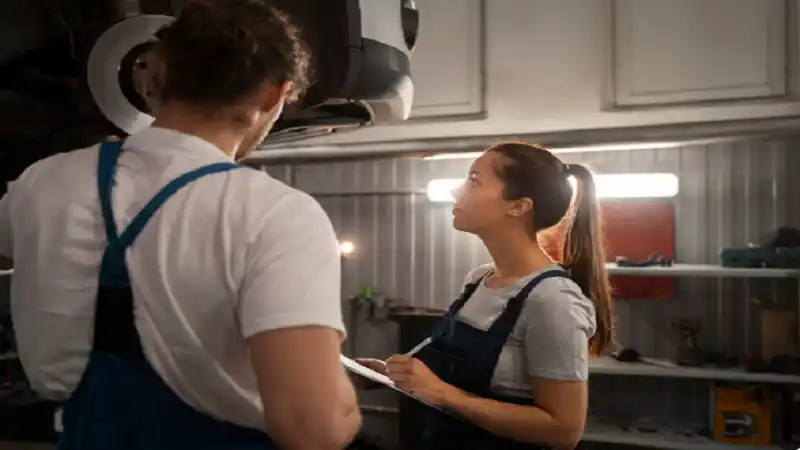
Commercial plumbing does a lot more work than most people notice. Your toilets, sinks, drains, pipes, water heaters, and shut-off valves support your business every day. When one of those parts fails, the problem can affect staff, customers, tenants, or visitors very quickly.
Most commercial buildings should have a full plumbing inspection once a year. Busy buildings may need one every three to six months. The right schedule depends on how many people use the building and how hard the plumbing works each day.
A small office does not have the same plumbing load as a restaurant. A medical clinic has different needs than a warehouse. A hotel has more water use than a retail shop. This is why inspection timing should match the building, not a random calendar reminder.
If your property is local, a commercial plumber Olathe KS can help you set a schedule that fits your building and daily use.
Start With One Full Inspection Every Year
A yearly inspection is a smart starting point for most commercial properties. It gives a plumber time to check the system before a small issue turns into a repair bill. Many plumbing problems start:
- behind walls
- under sinks
- inside drains
By the time water damage shows up, the issue may already be serious. A yearly check can help catch problems before they interrupt business.
During a full inspection, a plumber should check:
- Toilets and flush valves
- Sink drains and faucets
- Water pressure
- Visible pipes
- Shut-off valves
- Water heaters
- Floor drains
- Main drain performance
- Signs of leaks near walls or ceilings
This gives you a clear picture of your plumbing system. It also helps you plan repairs instead of reacting during a busy workday.
Busy Buildings Need More Than One Check
Some commercial buildings should not wait a full year between inspections. High-use plumbing systems wear down faster because more people use them throughout the day.
Restaurants, gyms, schools, hotels, salons and clinics need more attention. These businesses depend on water, drains and restrooms for daily operations. One blocked drain can disturb the whole schedule.
A three-month or six-month schedule works better for many high-use buildings. The right timing depends on the number of visitors, staff, and plumbing fixtures.
More frequent inspections can help with:
- Drain buildup
- Grease problems
- Toilet backups
- Water heater trouble
- Low water pressure
- Leaks under sinks
- Odors from drains
- Worn fixture parts
A busy property needs plumbing care before problems reach customers.
Restaurants Need A Separate Plan
Restaurant plumbing has its own set of problems. Grease, food waste, dishwashing, floor drains, and customer restrooms all put pressure on the system. Even a clean kitchen can still build up drain issues over time.
Grease traps and kitchen drains should be checked more often than office plumbing. Monthly or quarterly checks may be needed for restaurants with high volume.
A plumber may check:
- Grease trap condition
- Kitchen drain flow
- Floor drains near prep areas
- Dishwashing connections
- Restroom fixtures
- Hot water supply
- Drain odors
- Signs of slow drainage
A backed-up kitchen drain can shut down service. Regular checks help reduce that risk.
Offices Still Need Plumbing Maintenance
Office plumbing may not get the same heavy use as restaurant plumbing. Still, problems can happen in any commercial space. A leaking toilet, slow sink drain, or weak water pressure can affect the workday.
Most small offices can start with one annual inspection. Larger offices may need checks twice a year – especially when many employees share restrooms and breakrooms.
Office inspections should include:
- Restroom toilets
- Faucets and sink drains
- Breakroom plumbing
- Water fountains
- Bottle filling stations
- Water heater performance
- Valves in main areas
Small office leaks can damage cabinets, flooring and walls. A regular check helps you avoid repairs that could have been prevented.
Older Buildings Need Closer Attention
Older commercial buildings need more careful plumbing checks. Pipes, valves, drains and fixtures may already have years of wear behind them. Some older buildings also have past repairs that were never fully updated.
A building with older plumbing may need inspections every six months. This is especially true if you have had repeated leaks, slow drains, or pressure problems.
Older properties should be checked for:
- Rust on visible pipes
- Weak water pressure
- Leaking pipe joints
- Loose fixtures
- Water stains
- Slow drains
- Worn shut-off valves
- Signs of pipe damage
A commercial plumber Olathe KS can also tell you when a repair is no longer enough. Sometimes, replacing a weak section can save money compared with fixing the same problem again.
Warning Signs Should Never Wait
A planned schedule is helpful, but some signs need faster action. Plumbing problems can grow quickly once water starts going where it should not go.
Call for an inspection when you notice:
- Several slow drains at once
- Bad smells near drains
- Water stains on walls
- Damp flooring near pipes
- Toilets backing up again
- Hot water ending too soon
- Water bills rising without reason
- Sudden drop in water pressure
These signs may point to a hidden leak, clogged drain, or failing part. Waiting can make the repair larger and more expensive.
What A Good Inspection Should Include
A proper commercial plumbing inspection should be detailed. The plumber should check the main areas and explain what needs attention. You should leave the appointment knowing what is urgent and what can wait.
A good inspection may include:
- Water pressure testing
- Drain flow checks
- Fixture testing
- Water heater review
- Leak checks
- Valve testing
- Pipe inspection
- Grease trap review when needed
- Notes on repair priorities
Ask for clear findings after the visit. A short report can help you budget and plan future repairs.
Simple Inspection Schedule By Business Type
Every property is different, but this guide can help you start.
Use this schedule as a practical guide:
- Small office: once every year
- Large office: every six months
- Restaurant: every one to three months
- Hotel: every three to six months
- Medical clinic: every six months
- Retail store: once every year
- Older building: every six months
- Property with past issues: every three to six months
Your plumber can adjust this schedule after checking the building.
Final Thoughts
Commercial plumbing should be inspected at least once a year. Busy buildings, older properties, and restaurants need more frequent checks. A good schedule can help you avoid leaks, backups, water damage, and business downtime.
Start with one full inspection. Then adjust based on building use and repair history. When your plumbing is checked on time, your business has fewer surprises to deal with later. See More