
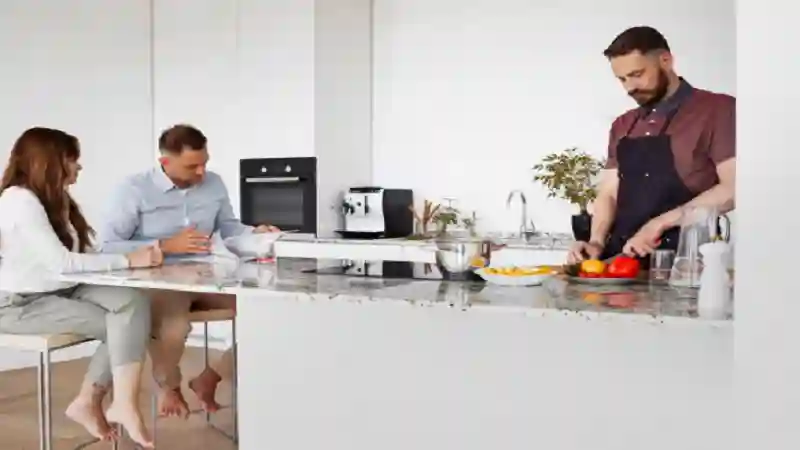
The modern kitchen has evolved far beyond its traditional role as a place to prepare meals. Today, it serves as a social hub, workspace, entertainment area, and everyday gathering point for families and guests alike. As lifestyles continue to change, homeowners are increasingly seeking professional kitchen design services that focus not only on appearance but also on how people genuinely move, cook, work, and interact within the space. This shift has completely transformed the way kitchen layouts are planned in contemporary homes.
Kitchens Are No Longer Separate Spaces
In older homes, kitchens were often isolated from the main living areas. Their primary function was practical, with little consideration given to social interaction or multi-purpose use.
Modern homes now approach kitchen design very differently. Open-plan living has become one of the most popular layout trends because it creates a more connected environment between cooking, dining, and relaxation areas.
This change reflects the way households live today. Families want spaces that encourage communication, convenience, and flexibility throughout the day.
Functionality Is Driving Design Decisions
While visual appeal remains important, modern kitchen layouts prioritize usability above all else. Homeowners are increasingly focused on how efficiently a kitchen supports everyday routines.
Designers now consider questions such as:
- How many people use the kitchen at once?
- Where do family members naturally gather?
- How often does the household entertain guests?
- Is additional workspace needed for remote work or study?
- How can storage improve daily organization?
By understanding real-life habits, kitchen layouts become more practical and easier to navigate.
Workflow Matters More Than Ever
One of the biggest priorities in contemporary kitchen design is improving movement throughout the space. Poorly positioned appliances or crowded walkways can quickly make a kitchen frustrating to use.
Modern layouts aim to create smoother workflow by carefully organizing:
- Cooking zones
- Preparation areas
- Cleaning stations
- Storage access
- Seating arrangements
This thoughtful structure helps reduce congestion and supports multiple users at the same time.
Kitchen Islands Have Become Central Features
The rise of the kitchen island reflects the changing role of the modern kitchen. Once considered a luxury feature, islands are now often viewed as essential in contemporary layouts.
More Than Just Extra Bench Space
Today’s kitchen islands serve several functions simultaneously. Depending on the design, they may include:
- Casual dining areas
- Storage solutions
- Additional sinks
- Built-in appliances
- Homework stations
- Social seating
Because modern households use kitchens for more than cooking alone, islands help create flexible and highly functional environments.
Encouraging Social Interaction
Kitchen islands also help maintain a connection between family members and guests. Instead of facing away while preparing meals, homeowners can interact more naturally with others in the space.
This social aspect has become a major influence in layout planning.
Storage Solutions Are Becoming Smarter
Modern kitchen design recognizes that households now own more appliances, cookware, and pantry items than ever before. As a result, storage has become one of the most important aspects of layout planning.
Hidden Organization Creates Cleaner Spaces
Rather than relying solely on traditional cabinets, modern kitchens increasingly include:
- Pull-out pantry systems
- Deep storage drawers
- Appliance garages
- Integrated recycling stations
- Vertical shelving
- Corner storage solutions
These features help reduce clutter while improving accessibility and efficiency.
Minimalism Influences Layout Choices
Many homeowners prefer clean, open kitchen aesthetics. Smart storage allows kitchens to maintain a streamlined appearance without sacrificing functionality.
By hiding unnecessary visual clutter, layouts feel more spacious and organized.
Technology Is Reshaping Kitchen Planning
The growing role of technology in everyday life has influenced kitchen layouts significantly. Kitchens are now designed to support modern appliances and digital convenience.
Smart Appliances Require Better Integration
Modern layouts often include dedicated spaces for:
- Smart refrigerators
- Charging stations
- Coffee systems
- Double ovens
- Built-in microwaves
- Voice-controlled devices
Electrical planning, ventilation, and connectivity are now essential considerations during the design process.
Lighting Design Has Become More Layered
Lighting is also more advanced than in older kitchens. Modern layouts combine:
- Task lighting
- Ambient lighting
- Decorative lighting
- Under-cabinet illumination
This layered approach improves both functionality and atmosphere throughout the day.
Flexibility Is a Key Design Priority
One of the defining features of modern kitchen layouts is adaptability. Homeowners want spaces that can evolve alongside changing lifestyles.
Multi-Purpose Use Is Increasing
Kitchens today often support:
- Remote work
- Online learning
- Casual dining
- Family gatherings
- Entertaining guests
Designers therefore create layouts that remain functional under a variety of daily activities rather than focusing solely on cooking efficiency.
Future-Proofing the Space
Many homeowners also prioritize long-term usability. Flexible layouts help accommodate future needs such as:
- Growing families
- Aging in place
- Increased entertaining
- Additional storage demands
This forward-thinking approach makes modern kitchens more sustainable investments.
Open Layouts Improve Natural Flow
Contemporary homes increasingly favor open and airy spaces over enclosed room divisions. Open kitchen layouts create a stronger visual connection with nearby living areas while improving natural light and ventilation.
This approach can make homes feel:
- Larger
- Brighter
- More welcoming
- More socially connected
For many families, the kitchen has become the emotional center of the home, making openness an important design element.
Sustainability Is Influencing Kitchen Design
Environmental awareness is also shaping modern kitchen layouts. Many homeowners now seek eco-conscious materials and energy-efficient solutions.
Common sustainable features include:
- Energy-efficient appliances
- LED lighting
- Water-saving fixtures
- Durable materials
- Recycled surfaces
- Smart energy systems
These choices help reduce environmental impact while lowering long-term operating costs.
Final Thoughts
Modern kitchen layouts are no longer designed purely around cooking. They are carefully planned to support the way people actually live, work, socialize, and connect daily.
From smarter storage and flexible layouts to integrated technology and open-plan living, today’s kitchens reflect changing lifestyle priorities more than ever before. As homes continue to evolve, kitchen design will remain focused on creating spaces that balance functionality, comfort, efficiency, and human interaction in meaningful ways. See More