
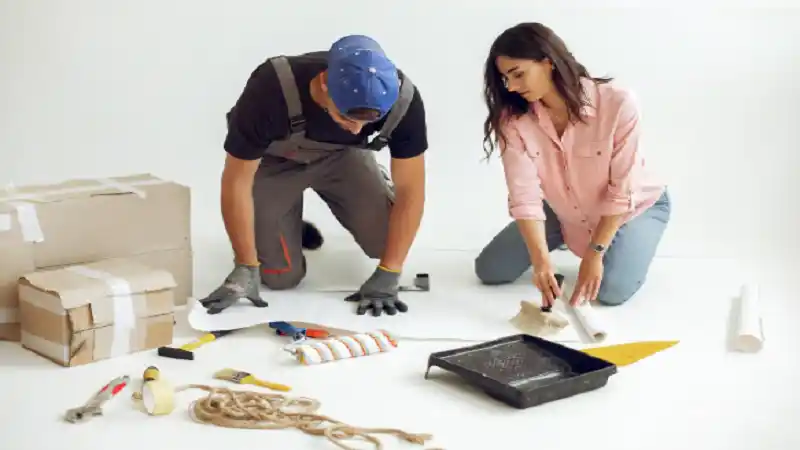
Home renovation projects have become more common as homeowners look for ways to improve their living spaces, increase property value, and adapt their homes to changing needs. However, one part of renovation planning that has gained more attention is waste management. Instead of treating rubbish removal as a final step after the work is complete, many homeowners now consider disposal from the beginning. This shift has increased interest in practical solutions such as skip bin hire to help manage the large amounts of waste created during renovation projects.
Renovations Create More Waste Than Many People Expect
A renovation can involve much more than replacing a few features. Removing old materials, updating rooms, and making structural changes can quickly create large amounts of unwanted items.
Common renovation waste may include:
- old flooring
- broken fixtures
- timber materials
- packaging
- tiles and building materials
- outdated furniture
Many homeowners discover that the volume of waste is much greater once the project is underway.
Waste Planning Has Become Part of the Renovation Process
In the past, rubbish removal was often something homeowners considered after completing the main work. Today, many people include waste management alongside budgeting, scheduling, and material selection.
Planning helps avoid situations where waste builds up around the property and creates unnecessary obstacles.
A clear disposal strategy allows renovation work to continue more smoothly.
Why Traditional Disposal Methods Are Less Practical
For smaller household tasks, regular waste disposal methods may be enough. However, renovation projects often produce more rubbish than standard services can accommodate.
Making repeated trips to disposal facilities can take time and effort, especially when dealing with bulky or heavy materials.
As projects become larger, homeowners often look for more efficient ways to handle the waste created.
The Impact of Larger Home Improvement Trends
The rise in renovation activity has changed how people approach home upgrades. Many homeowners are investing in kitchens, bathrooms, outdoor areas, and complete property improvements.
With larger projects comes a greater need for organisation.
Waste removal has become an important part of ensuring these upgrades are completed efficiently.
Keeping Renovation Areas Safer and More Organised
A renovation site can quickly become difficult to manage when unwanted materials accumulate.
Excess rubbish can reduce available workspace, create hazards, and slow down progress.
Having a planned place for waste helps keep the area cleaner and allows tradespeople and homeowners to move around more easily.
How Homeowners Are Becoming More Cost-Conscious
Many people now consider the overall cost of managing a renovation, not just the price of materials and labour.
Time spent sorting, transporting, and disposing of waste can add unexpected effort to a project.
Better planning helps homeowners understand the full scope of the renovation and avoid unnecessary delays.
Different Projects Require Different Waste Solutions
Every renovation produces a different type and amount of waste. A small bathroom update may create a different disposal challenge compared with a full home renovation.
Homeowners often consider factors such as:
- size of the project
- type of materials being removed
- available space
- expected timeline
This helps create a more suitable waste management approach.
The Growing Importance of Convenience
Modern homeowners often balance renovation projects with work, family, and other commitments. Managing waste through multiple trips and manual removal can become difficult alongside daily responsibilities.
Convenient disposal options allow people to spend more time focusing on completing the renovation itself.
How Better Waste Planning Supports Sustainability
Many homeowners are also becoming more aware of responsible waste handling. Renovation materials can include items that may be reused, recycled, or managed through appropriate disposal methods.
Thinking about waste earlier encourages more responsible project planning.
Renovations Are Becoming More Professionally Managed
As home improvement projects become more complex, homeowners are approaching them with greater organisation. They are considering every stage, from design and construction to cleanup.
Waste removal is now recognised as an important part of achieving a successful renovation outcome.
Final Thoughts
Home renovation projects have changed the way people think about waste removal. What was once treated as an afterthought has become a key part of planning and managing successful upgrades.
By considering disposal needs early, homeowners can maintain cleaner work areas, reduce disruption, and create a smoother renovation experience from start to finish. See More