
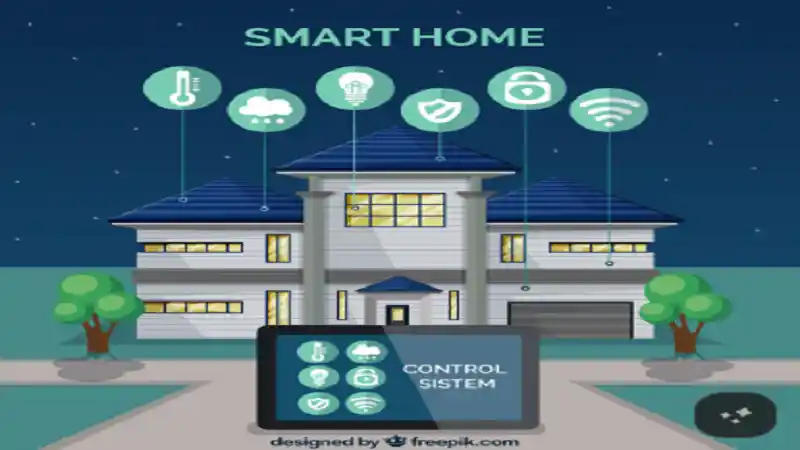
A few years back, a smart home meant a light bulb that answered to your voice. You felt like a wizard. Then the Wi-Fi dropped, and you felt like someone shouting at a ceiling. Funny thing, though: the idea stuck. Houses learned to listen and adjust, and now that same trick is leaving the living room for the power grid. Bigger stage. Higher stakes than a dark kitchen.
The Grid Gets a Brain
The smart home taught one lesson well. Gadgets get useful once they talk to each other. Energy companies are doing the same thing, only at a scale that makes your thermostat look shy. Wind farms, solar fields, batteries, and office towers all stream data around the clock, and somebody has to read it. Tools like Ignite ETRM help with that job. Trading and risk teams lean on software of this kind to track deals and watch prices while conditions change by the minute. Not glamorous. Still, it keeps the lights on and the books honest.
Your House Joins the Grid
Your home is quietly turning into a small power plant. Rooftop solar, a wall battery, an electric car, and a heat pump can all share one meter now. Each can draw power or push it back out. Utilities used to dread that, since millions of tiny choices are hard to predict. But the same devices can read price signals, and that changes things. Your car charges when power is cheap and waits when the grid feels stressed. You do nothing. You wake up to a full battery and a slightly smaller bill, which beats most surprises. It sounds small. Now multiply it by a few million.
Data Is the New Fuel
Every smart meter and sensor adds a bit more detail to the picture. Operators can spot a demand spike before it hits, or a line that is about to struggle. Forecasts that once came out daily now refresh every hour, sometimes faster. Guesswork is fading. That means less waste and fewer frantic purchases of power at painful prices. More data brings more mess, though. A broken sensor will still report, and it will report nonsense with total confidence. Clean data and clear rules beat any shiny dashboard.
The Human Part
The technology is the easy half. People are the hard half. Regulators must write rules for a world where customers also sell power, and utilities must win over households that feel wary about sharing their usage. Then there are the workers, who need fresh skills, since software still needs sharp humans willing to question it. Nobody enjoys telling the boss the algorithm did it. Treat automation like a keen intern: quick and eager, with a manager checking the work.
What Comes Next
Expect the next decade to feel less like a gadget launch and more like a quiet upgrade. Neighbors will trade energy across the street. Cities will steer demand the way they now steer traffic. Parking garages full of idle cars will act like one giant battery. Big buyers will shift their usage toward the hours when wind and sun peak, and software will keep score. Some of it will flop. Early smart homes flopped plenty, and the good parts survived anyway. The goal stays simple: use clean power when it is plentiful and ease off when it is not. Small choices added up in the smart home. Now millions of them will add up together. With luck, nobody will have to yell at a ceiling. See More