
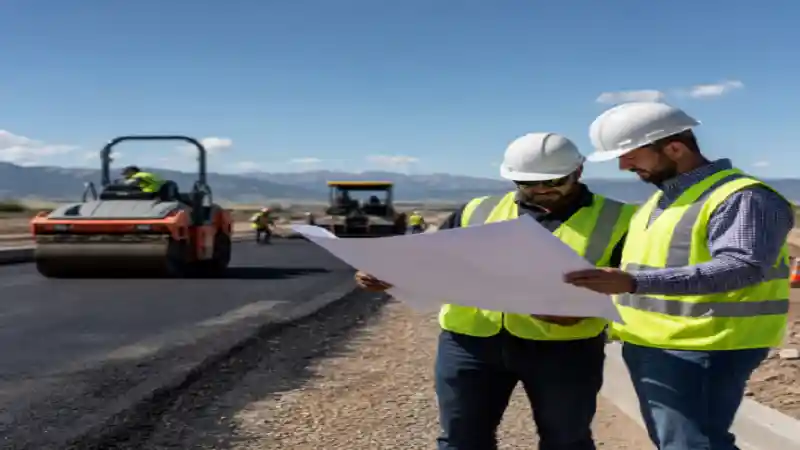
When a new building, residential community, or commercial complex breaks ground in Denver, the conversation about paving often comes too late. Asphalt is not simply a finishing touch — it is a foundational infrastructure decision that affects drainage, load distribution, long-term maintenance costs, and the overall usability of a property. In a city where elevation, freeze-thaw cycles, and rapid urban development all converge, getting the paving right from the very start is not optional. It is essential.
The Unique Challenges of Paving in Denver’s Climate
Denver sits at over 5,000 feet above sea level, and that altitude brings with it a set of environmental conditions that directly impact asphalt performance. The city experiences dramatic temperature swings — sometimes within a single day — that cause pavement to expand and contract repeatedly. Over time, this thermal cycling creates micro-fractures that, if not addressed through proper mix design and base preparation, evolve into costly structural failures.
Winter brings additional stress. Road salts, snowplow traffic, and prolonged sub-freezing temperatures accelerate surface deterioration. For new construction projects, this means the asphalt mix specification, compaction standards, and base layer depth must all be calibrated specifically for Colorado’s Front Range conditions — not simply copied from a generic regional template.
Subgrade Preparation: The Foundation Nobody Sees
One of the most overlooked aspects of new construction paving is what happens beneath the asphalt surface. A properly engineered subgrade — the native soil layer that supports everything above it — must be graded, compacted, and in many cases stabilized before any base aggregate or asphalt is applied. In Denver, where soil composition varies significantly across neighborhoods and development zones, this step requires site-specific geotechnical assessment rather than a one-size-fits-all approach.
Skipping or rushing subgrade preparation is one of the most common and costly mistakes made during new construction. The consequences show up months or years later in the form of rutting, cracking, and uneven settlement — all of which require expensive remediation. Investing in thorough subgrade work upfront is always more economical than repairing a failed surface after the fact.
Designing for Traffic Load and Long-Term Use
Not all asphalt is created equal, and not all paved surfaces serve the same purpose. A residential driveway, a commercial parking lot, and an industrial access road each require different asphalt thickness, aggregate gradation, and binder specifications. During the planning phase of any new construction project, traffic load analysis should directly inform the pavement design — including the number of asphalt lifts, the type of binder used, and the compaction targets required.
For high-traffic commercial or mixed-use developments, this planning becomes even more critical. According to expert guidance on selecting pavements for high-traffic public spaces, material selection must account not only for load-bearing capacity but also for surface texture, drainage performance, and long-term maintenance accessibility. These principles apply equally to private commercial developments as they do to public infrastructure projects.
Drainage Integration: A Non-Negotiable Design Element
Water is asphalt’s most persistent enemy. Poor drainage design allows water to pool on the surface, seep into base layers, and undermine structural integrity from below. In new construction, drainage must be engineered into the pavement design from the beginning — not retrofitted after problems emerge. This includes proper slope gradients, strategically placed catch basins, and in some cases, permeable asphalt sections that allow controlled infiltration.
Denver’s periodic heavy rainfall and spring snowmelt make drainage planning especially important. A well-designed drainage system not only protects the pavement investment but also prevents liability issues related to standing water, ice formation, and stormwater runoff that can affect neighboring properties or public infrastructure.
Common Renovation and Construction Mistakes That Cost Property Owners Dearly
Many property owners and developers approach paving as a commodity purchase rather than a technical service. This mindset leads to decisions based primarily on upfront cost rather than total lifecycle value. Choosing the lowest bid without evaluating contractor qualifications, mix specifications, or warranty terms is a pattern that consistently results in premature pavement failure. Understanding the most common outdoor renovation mistakes homeowners make reveals a broader pattern: cutting corners on surface preparation and material quality almost always leads to higher costs over time.
Other frequent errors include failing to account for utility access points in the pavement layout, neglecting ADA compliance requirements for accessible routes, and underestimating the curing time needed before a new asphalt surface can handle full traffic loads. Each of these oversights can trigger costly change orders, regulatory issues, or premature surface damage that voids contractor warranties.
Timing and Seasonal Considerations for Denver Paving Projects
Asphalt paving is a temperature-sensitive process. Optimal installation requires ambient temperatures above a certain threshold and dry conditions to ensure proper compaction and adhesion. In Denver, this typically means the primary paving season runs from late spring through early fall — though experienced contractors can work outside these windows with appropriate precautions. Scheduling paving work as part of the broader construction timeline, rather than as an afterthought, ensures that weather conditions are factored into project planning from the outset.
Asphalt Coatings Company: A Trusted Partner for Denver’s New Construction Projects
For developers, general contractors, and property owners navigating the complexities of asphalt installation in the Denver metro area, working with a contractor who understands local conditions, regulatory requirements, and long-term performance standards is critical. Asphalt Coatings Company brings deep regional expertise to every project, ensuring that pavement systems are engineered to perform reliably across Denver’s demanding climate cycles. Their team approaches each engagement with a focus on subgrade integrity, proper mix design, and drainage planning — the three pillars of durable asphalt performance.
Whether the project involves a large commercial development, a multi-family residential community, or an industrial facility, their commitment to quality workmanship and transparent project management sets them apart in a competitive market. Clients benefit not only from technical expertise but also from a contractor relationship built on clear communication and accountability throughout every phase of construction.
Why the Right Contractor Makes All the Difference
When it comes to new construction asphalt paving in Denver, the difference between a pavement that lasts decades and one that requires costly repairs within a few years often comes down to the contractor’s knowledge, equipment, and commitment to proper installation standards. Vetting contractors thoroughly — reviewing past project portfolios, checking references, and confirming that mix designs meet local specifications — is time well spent before any contract is signed.
Conclusion: Invest in Quality Paving from the Ground Up
New construction asphalt paving in Denver is a significant investment that shapes the functionality, safety, and curb appeal of a property for years to come. The decisions made during the planning and installation phases — from subgrade preparation to drainage design to contractor selection — have compounding effects on long-term performance and maintenance costs. By approaching paving as a critical infrastructure component rather than a line-item afterthought, developers and property owners position their projects for lasting success in one of the country’s most dynamic real estate markets.