
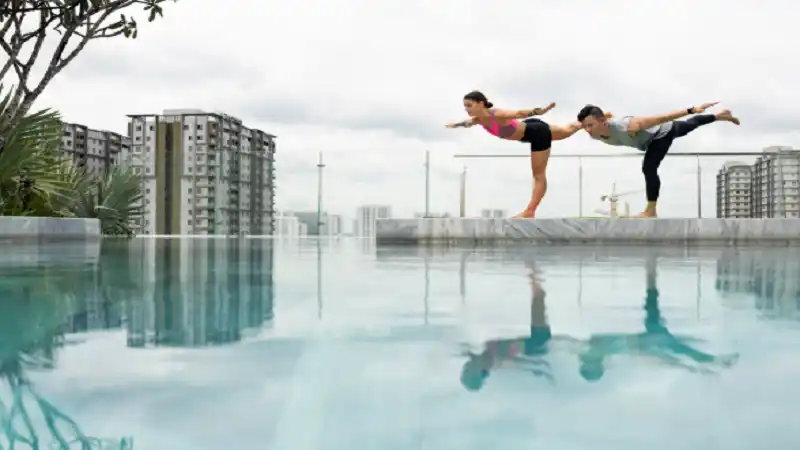
Dubai’s real estate market has attracted global attention for decades. But a quieter, more considered shift has been taking place alongside the headline-grabbing towers and record-breaking sales. A growing group of buyers and residents is redefining what premium means in Dubai real estate, moving away from pure square footage and location prestige toward a more holistic understanding of how a home shapes daily life.
The Rise of Intentional Home Design
In architecture and design circles, the idea that spatial design affects how occupants feel is not new. What is newer is the application of rigorous science to those intuitions. Environmental psychology and neuroscience have produced a growing body of evidence linking the built environment to outcomes including cognitive performance, stress levels, sleep quality, and social well-being.
Developers who take these findings seriously are making different decisions from those who prioritise visual impact alone. They consider window proportions and the quality of light entering a space throughout the day. They specify materials that reduce airborne toxins. They design acoustic buffers that allow genuine quiet in a city that rarely stops.
JAD Global represents this approach in Dubai’s residential market. As a wellness-led property developer, its projects are built on the premise that a home should serve the occupant’s physical and emotional needs as a matter of design intent, not as an afterthought.
What Makes a Wellness Home Different
The differences between a wellness-designed home and a conventionally designed premium property are most clearly felt in daily use rather than at a viewing. A conventionally premium property might offer high ceilings, imported marble, and a view. A wellness-designed home offers those things and also manages light to support circadian rhythms, applies acoustic design to prevent sound intrusion, manages air quality to reduce particulates, and arranges spaces to facilitate both privacy and social interaction.
These are details that require a design team to have studied the research and a developer to have made a deliberate commitment to a more demanding development standard.
Design Features Worth Prioritising
When evaluating a residential property from a wellness perspective, several features consistently matter. Natural light access is chief among them. Ceiling height and room proportions affect the perception of space. Ventilation quality, finishes selected for low volatile organic compound emissions, and access to outdoor space, including balconies or landscaped communal areas, all contribute to a lived experience that supports rather than undermines health.
Frequently Asked Questions
Q: What is the WELL Building Standard?
A: The WELL Building Standard is an international certification scheme that assesses buildings across categories, including air, water, light, movement, thermal comfort, and mental well-being.
Q: Is Dubai a growing market for wellness real estate?
A: Yes. Dubai has seen increasing interest from both local and international buyers in wellness-focused properties, particularly since 2020.
Q: What is biophilic design, and why does it matter?
A: Biophilic design incorporates natural elements, natural light, natural materials, and views of nature into the built environment. Research consistently shows it reduces stress and increases occupant satisfaction.
Q: Are off-plan wellness properties a sound investment in Dubai?
A: As with any off-plan purchase, due diligence on the developer’s track record, project timeline, and specific features promised is essential. Wellness credentials should be assessed against verifiable design commitments rather than marketing language alone.
Q: How do I assess whether a developer’s wellness claims are genuine?
A: Ask for specific evidence: building certifications, named design standards followed, material specifications, and third-party assessments. Genuine wellness developers will have concrete answers to these questions. See More