
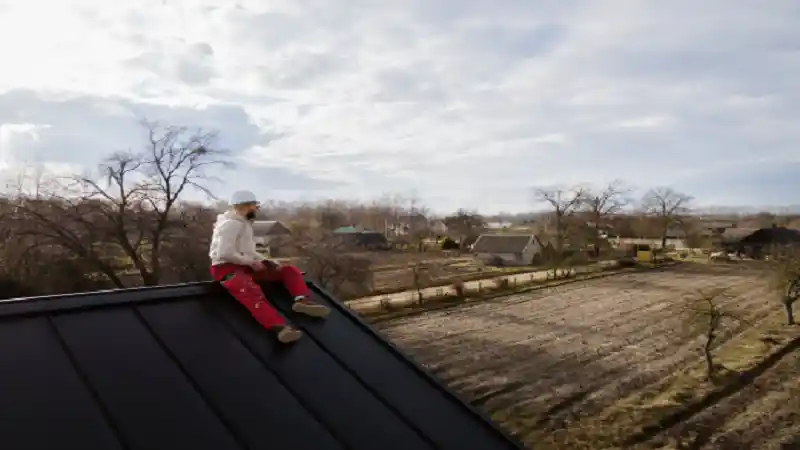
A home renovation project reveals serious roof deck problems that remained hidden for decades beneath old shingles. Property owners who plan to replace their roof during a full home renovation frequently discover substrate conditions that cannot support new materials.
Asphalt shingle roofing services in Cleveland must address these underlying deck failures before any new installation begins. The most common substrate issues found during local home renovations include plywood delamination, fastener pullout, rafter deflection, and dry rot in spaced board decks. This article explains each failure type and why professional remediation protects the investment in new roofing.
Delamination and Soft Spots in Plywood Substrates Due to Trapped Condensation
During roof tear-offs on older homes, contractors frequently find plywood sheet decking that is actively splitting apart or delaminating into separate layers. This breakdown occurs when improper attic ventilation traps humid air against the cold underside of the wood deck throughout winter months. Over time, the wood loses its structural integrity and transforms into sponge-like soft spots that can no longer safely hold roofing fasteners.
Widespread Fastener Pullout and Compromised Holding Power From Industrial Rust
A roof deck can fail mechanically even when the wood appears dry from the surface view. Historical moisture that leaked through old underlayment felt triggers rust formation on original roofing nails over many years. The corrosion process causes nails to expand within their holes, destroying the wood fibers that surround each fastener shank. This damage produces pullout conditions where shingles lose their physical grip on the deck material.
Visual Signs of Fastener Compromise –
The following observations during renovation tear-off confirm widespread fastener failure in the roof deck:
- Nails lift away from the wood with finger pressure rather than requiring a pry bar
- Rust rings around each fastener indicate long-term moisture exposure at that point
- Shingle rows slide downward when their nail heads corrode completely through
- Previously nailed flashing lies loose against the deck surface without secure attachment
Structural Dry Rot in Traditional Spaced Board Decking Frameworks
Many vintage residential properties in Cleveland feature old-fashioned spaced board or tongue-and-groove plank decking instead of modern plywood sheets. While these traditional materials offer high durability when dry, decades of unaddressed flashing leaks around chimneys and dormers create localized dry rot conditions. This fungal decay quietly eats away at the edges of solid planks, leaving deep structural gaps beneath the shingle line.
Why Partner With a Licensed Roofing Company in Cleveland?
A roof performs only as well as the physical foundation upon which it rests during installation. A reliable local contractor never takes shortcuts by nailing high-quality asphalt shingles over rotten, sagging, or delaminated wood decking. Asphalt shingle roofing services in Cleveland from a licensed provider include the following quality protections and workmanship warranty for every project:
- A full deck inspection after tear-off reveals all hidden substrate failures
- Moisture readings confirm wood dryness before new underlayment installation
- Fastener pull tests verify adequate holding power across the entire deck surface
- Structural engineer consultation for any rafter deflection or sagging found
A professional who prioritizes substrate integrity delivers a roof that fully protects the home for decades beyond the installation date.
Request a complete deck inspection as part of any roof replacement estimate for a home over thirty years old. A contractor in Cleveland who walks the entire roof surface after tear-off will document every soft spot, rotted plank, and rusted fastener for repair before new materials arrive. This single inspection separates a durable roof from one that fails prematurely. One thorough deck assessment protects both the new shingle investment and the home interior beneath it.
See More