
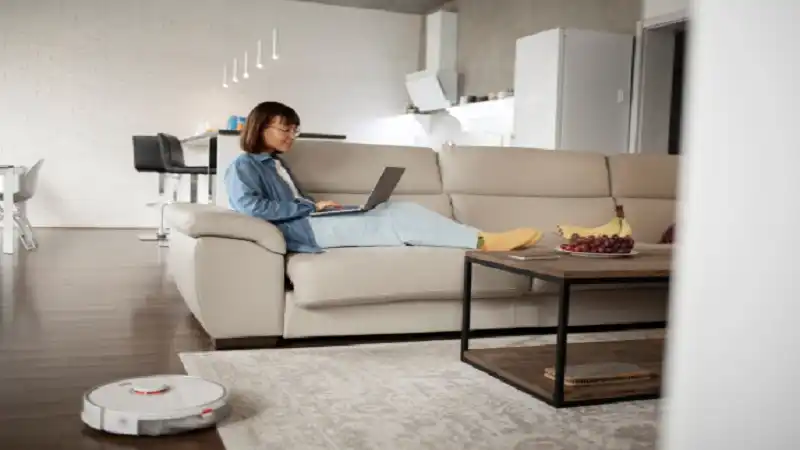
The way people use their homes has changed significantly over the past decade. A single room is no longer expected to serve a single purpose. Dining areas become workspaces during the day; guest rooms double as fitness zones, and living rooms often function as entertainment centers, study spaces, and gathering areas at different times of the week.
As lifestyles continue to evolve, residential design is shifting from rigid floor plans toward adaptable environments. Smarter home layouts are becoming increasingly important because they help people maximize available space, support changing needs, and create a more efficient daily experience without requiring larger homes.
The Rise of Multi-Purpose Spaces
Traditional home designs are often assigned one specific function to each room. While this approach worked for many households in the past, modern living patterns have introduced greater flexibility.
Remote work, hybrid schedules, online education, home-based businesses, and changing family structures have altered how rooms are used. Instead of dedicating valuable square footage to occasional activities, homeowners increasingly seek spaces that can transition seamlessly throughout the day.
A dining area, for example, may serve as a workspace during business hours and return to its original function in the evening. Similarly, a family room may host movie nights, children’s activities, and social gatherings within the same week.
Layouts that support these shifts help households make better use of every square foot.
Space Efficiency Matters More Than Size
The effectiveness of a home is often determined less by its overall size and more by how well the space functions.
Poor layouts can create unused corners, traffic bottlenecks, and awkward room arrangements. In contrast, thoughtful floor plans improve movement, accessibility, and usability without increasing square footage.
Designers increasingly focus on circulation paths, furniture placement, and visual balance when planning residential interiors. The goal is to ensure that rooms remain comfortable while accommodating multiple activities.
Even larger homes benefit from efficient layouts because they reduce wasted space and improve day-to-day functionality.
Furniture Plays a Strategic Role
Furniture selection has become closely tied to layout flexibility. Pieces are expected to adapt alongside changing household needs.
Modular seating systems, expandable dining tables, storage-integrated furnishings, and movable workstations allow rooms to transform with minimal effort. These solutions help residents avoid overcrowding while maintaining comfort and organization.
The growing interest in adaptable interiors has also influenced regional design preferences, including demand for contemporary furniture Maine homeowners often choose to support clean lines, efficient space planning, and practical versatility.
Rather than serving purely decorative purposes, furnishings increasingly contribute to how effectively a room operates.
Designing for Changing Life Stages
One of the greatest advantages of flexible layouts is their ability to accommodate different phases of life.
A home purchased by a young professional may eventually need to support a growing family. Later, those same spaces may be reconfigured for aging residents, visiting relatives, or new hobbies.
Rooms designed with adaptability in mind require fewer major renovations over time. Open sightlines, movable furniture arrangements, and versatile storage solutions help homes remain functional despite changing circumstances.
This approach extends the useful lifespan of residential spaces and reduces the need for costly structural modifications.
Technology Has Altered Household Behavior
Technology continues to influence how people interact with their homes. Streaming services, smart devices, video conferencing, and connected appliances have reshaped daily routines.
As a result, layout planning increasingly considers access to power sources, connectivity, lighting conditions, and acoustic comfort.
A room intended for occasional computer use may now require reliable internet access throughout the day. Likewise, spaces that support virtual meetings benefit from thoughtful positioning that minimizes distractions and background noise.
Flexible layouts account for these realities while preserving comfort and visual appeal.
Storage Supports Adaptability
Adaptable homes depend heavily on effective storage solutions.
Without adequate storage, multi-purpose rooms can quickly become cluttered and difficult to manage. Organized environments allow spaces to transition smoothly between functions.
Built-in shelving, concealed compartments, multifunctional furniture, and vertical storage strategies help maintain order while preserving valuable floor space.
When storage is integrated into the overall layout rather than added as an afterthought, rooms remain more efficient and visually balanced.
The Long-Term Value of Flexible Design
The growing emphasis on adaptable living reflects a broader understanding of how homes contribute to daily life. Rather than focusing solely on aesthetics or square footage, homeowners increasingly prioritize functionality, comfort, and long-term usability.
Smarter layouts support productivity, relaxation, social interaction, and personal well-being without requiring constant modifications. They also offer resilience as household needs evolve.
As living patterns continue to change, flexibility is becoming one of the most valuable characteristics of residential design. Homes that can accommodate multiple purposes, shifting routines, and future needs are better positioned to remain practical, comfortable, and relevant for years to come.