
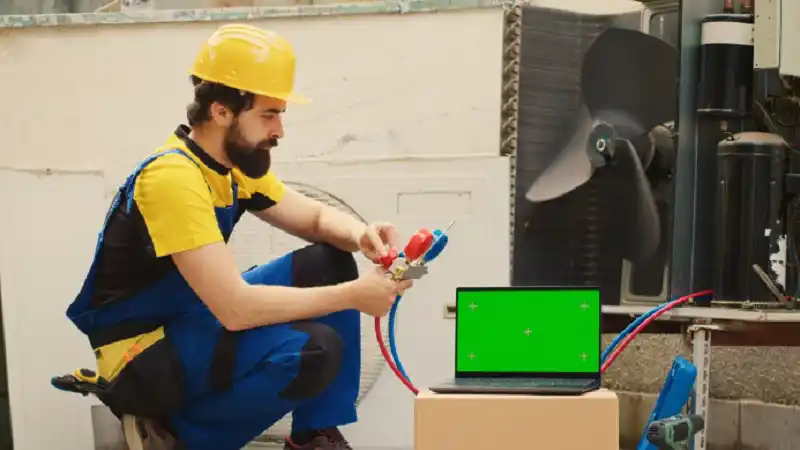
An air conditioning system may perform efficiently when summer begins, but continuous exposure to high temperatures can place significant stress on its components. Over time, issues such as dirty filters, restricted airflow, clogged coils, worn electrical parts, and drainage blockages can reduce cooling efficiency. Regular air conditioning unit maintenance helps address these concerns before they lead to uneven temperatures, higher energy consumption, extended operating cycles, or unexpected system failures.
By keeping the system clean and properly adjusted, maintenance allows air to circulate freely, improves heat transfer, and supports reliable cooling during the hottest months of the year. Homeowners who invest in routine maintenance are more likely to enjoy consistent indoor comfort even when cooling demand remains high.
Early Maintenance Helps Ensure Reliable Cooling
Clean Air Filters Improve Airflow
Air filters play a vital role in maintaining efficient cooling performance. As filters collect dust, pet dander, pollen, and other airborne particles, airflow becomes restricted. Reduced airflow forces the system to work harder, which can lead to warmer indoor temperatures, frozen evaporator coils, increased energy use, and unnecessary wear on components.
Routine maintenance includes inspecting and replacing or cleaning filters when needed. Homeowners scheduling Air Conditioning Unit Maintenance in Seattle, WA, can prevent airflow-related problems before peak summer temperatures arrive. Clean filters also help protect the blower motor and evaporator coil from dirt accumulation. When air moves freely through the system, rooms cool more evenly, and the thermostat can maintain desired temperatures more effectively.
Coil Cleaning Enhances Heat Transfer
The cooling process relies heavily on the system’s evaporator and condenser coils. The evaporator coil absorbs heat from inside the home, while the condenser coil releases that heat outdoors. When dirt and debris build up on either coil, heat transfer becomes less efficient.
Indoor dust can coat the evaporator coil and reduce cooling capacity, while outdoor contaminants such as grass clippings, leaves, and dirt can accumulate around the condenser coil. During a maintenance visit, technicians inspect and clean the coils to restore optimal performance.
Clean coils help the air conditioner remove heat more efficiently, reducing strain on the system and shortening run times. This not only improves comfort but also helps lower energy costs and minimize wear on critical components such as fans, motors, and compressors.
Electrical Inspections Reduce the Risk of Unexpected Breakdowns
Reliable cooling depends on more than just clean components and proper airflow. Electrical parts such as capacitors, contactors, relays, wiring connections, and thermostats must also function correctly.
Over time, electrical components can deteriorate or loosen, increasing the likelihood of startup issues, sudden shutdowns, tripped breakers, or complete system failure. Regular maintenance includes testing electrical systems, tightening connections, inspecting wiring, and verifying proper thermostat communication.
Identifying electrical issues early helps prevent unexpected cooling interruptions during periods of extreme heat and protects expensive system components from unnecessary damage.
Drainage Maintenance Helps Control Moisture
As an air conditioner cools the home, it also removes moisture from the indoor air. This moisture is carried away through the condensate drain system. If the drain line becomes clogged with algae, dirt, or debris, water may back up into the unit or leak into surrounding areas.
Blocked drainage can lead to water damage, increased humidity, unpleasant odors, and even system shutdowns. During maintenance, technicians inspect the drain pan and condensate line to ensure water flows properly.
Maintaining proper drainage not only prevents moisture-related issues but also allows the system to control indoor humidity more effectively. A home with balanced humidity often feels cooler and more comfortable without requiring additional cooling.
Fan and Blower Maintenance Supports Even Cooling
The blower assembly and fan motors are responsible for distributing conditioned air throughout the home and releasing heat outdoors. If these components become dirty or begin to wear out, airflow can decrease significantly.
Weak airflow often results in uneven room temperatures, longer cooling cycles, and reduced overall efficiency. During routine maintenance, technicians inspect blower wheels, fan blades, motors, belts (where applicable), and airflow performance.
By correcting airflow problems early, the system can distribute cool air more evenly, helping maintain consistent temperatures in every room while reducing strain on major components.
Regular Maintenance Promotes Long-Term Cooling Reliability
Air conditioning unit maintenance is one of the most effective ways to maintain steady cooling performance throughout the summer season. Clean filters, properly functioning coils, reliable electrical components, clear drainage systems, and strong airflow all contribute to efficient and dependable operation.
Without routine maintenance, cooling performance can gradually decline, leading to higher energy bills, inconsistent temperatures, and a greater risk of breakdowns during periods of peak demand. Regular inspections also allow homeowners to identify early warning signs such as unusual noises, rising utility costs, humidity concerns, or reduced airflow before they become serious problems.
A well-maintained air conditioning system operates more efficiently, delivers more consistent comfort, and remains better prepared to handle the challenges of long, hot summer days. See More