
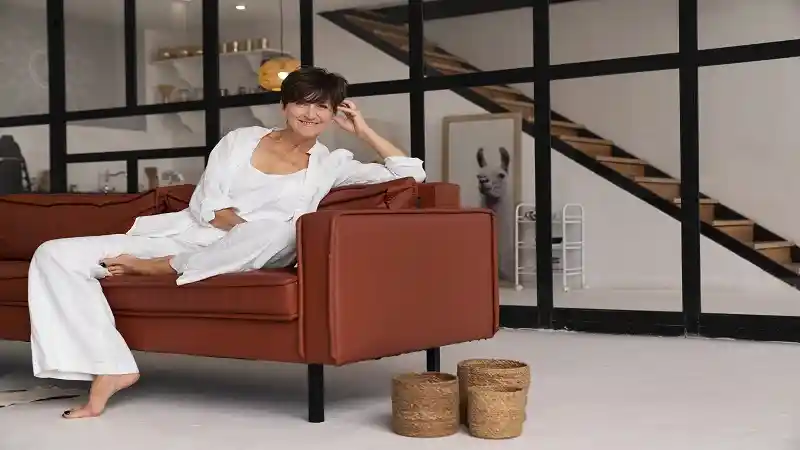
Furniture arrangement tips are essential for designing a home that feels comfortable, organized, and visually appealing. No matter how expensive or stylish your furniture is, poor placement can make a room feel crowded and uncomfortable. On the other hand, a well-planned arrangement can make even a simple space look elegant and functional.
If you are looking for creative ideas and smart layout inspiration, you can explore a home decor inspiration website to discover modern furniture placement techniques and interior styling ideas.
Understand the Purpose of Each Room
Before arranging furniture, it is important to understand how each room will be used. Every space has a different function, such as relaxing, working, dining, or sleeping. Your furniture layout should match that purpose.
For example, a living room should encourage conversation and comfort, while a bedroom should focus on relaxation. Designing according to function helps create a more practical and comfortable environment.
Start with a Focal Point
Every room should have a focal point, which is the main area that attracts attention. It could be a TV, fireplace, window, or a statement piece of furniture.
Arrange your furniture around this focal point to create a natural and balanced layout. This helps the room feel more organized and visually appealing.
Keep the Flow of Movement
One of the most important furniture arrangement tips is maintaining smooth movement. There should be enough space for people to walk around easily without bumping into furniture.
Avoid blocking pathways with large items. Keep entrances and walkways clear to create an open and comfortable environment.
Use the Right Size Furniture
Choosing the right size of furniture is very important for proper arrangement. Large furniture in a small room can make the space feel crowded, while small furniture in a large room can look out of place.
Always consider the size of your room before placing furniture. Balanced proportions create a harmonious and well-designed space.
Avoid Pushing Everything Against the Walls
Many people think that placing all furniture against the walls makes a room look bigger, but this is not always true. In some cases, it can make the room feel empty and less inviting.
Try placing furniture slightly away from walls to create a more intimate and balanced layout. This works especially well in living rooms.
Create Conversation Areas
In spaces like living rooms, arrange seating in a way that encourages conversation. Sofas and chairs should face each other or be placed at comfortable angles.
This setup creates a welcoming and social environment where people can interact easily.
Use Rugs to Define Spaces
Rugs are not just decorative; they also help define different areas in a room. In open spaces, rugs can separate the living area from the dining area.
Make sure the rug size matches the furniture arrangement. Ideally, at least the front legs of sofas and chairs should be placed on the rug for a cohesive look.
Balance the Room Visually
Visual balance is important in furniture arrangement. If one side of the room has heavy furniture, balance it with something on the other side.
For example, if you have a large sofa on one side, you can place a table or chair on the opposite side. This creates symmetry and makes the room feel stable.
Use Multi-Functional Furniture
In smaller homes, multi-functional furniture is very useful. Items like storage beds, foldable tables, or sofas with hidden storage help save space.
These pieces not only improve functionality but also keep the home organized and clutter-free.
Make Use of Corners
Corners are often unused, but they can be very useful. You can place a small chair, table, or plant in a corner to make the space more functional.
Creating a cozy corner with a lamp and chair can also add charm to your home.
Lighting and Furniture Placement
Furniture arrangement should also consider lighting. Place seating areas near natural light sources like windows.
Lamps and lighting fixtures should be positioned in a way that supports activities like reading or relaxing. Proper lighting enhances both comfort and style.
Avoid Clutter and Overcrowding
Too much furniture can make a room feel tight and uncomfortable. Always leave some open space to allow the design to breathe.
Choose only essential furniture pieces and avoid adding unnecessary items. A clean and organized space always looks more stylish.
Personal Comfort Matters Most
While design rules are helpful, personal comfort should always come first. Arrange furniture in a way that suits your lifestyle and daily habits.
Your home should feel comfortable and easy to use, not just visually attractive.
Learn from Expert Ideas
If you want more advanced tips and professional guidance, you can explore a home design guide website to learn modern furniture arrangement strategies and interior design techniques.
Conclusion
Furniture arrangement tips are essential for creating a home that is both functional and stylish. By focusing on layout, balance, movement, and comfort, you can transform any space into a well-organized and inviting environment.
Even small changes in furniture placement can make a big difference. With thoughtful planning and creativity, you can design a home that looks beautiful and feels comfortable every day.