
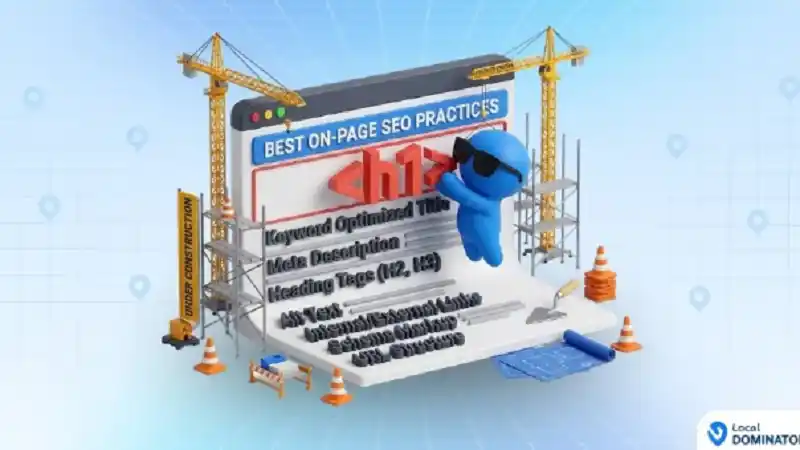
On-page SEO is the practice of optimizing individual web pages so they rank higher and earn more relevant traffic in search engines. You do this by deliberately adjusting your website’s written content and HTML source code. These targeted updates help search engine algorithms understand your website. When your pages possess a clear, technical structure, both human visitors and automated search bots can read and index your information accurately.
Search engine optimization involves multiple strategies. While off-page tactics like link building matter, a visible website requires a strong technical foundation on its own pages. You must take a structured approach to website management to achieve long-term organic growth.
The Difference Between On-Page and Off-Page SEO
On-page optimization involves formatting web page content for both search engines and users. You control these elements directly. Common practices include rewriting title tags, structuring written content, adding internal links, and shortening URLs.
Off-page SEO relies on signals from outside of your website. This includes external backlinks or social media mentions. Because you manage your own website, on-page factors offer the most direct way to influence your search engine rankings. Search engines continuously scan your pages to see if they match a user’s specific search query. If your page provides the most direct and well-formatted answer, it earns a higher position in the search results.
Why Businesses Need On-Page Optimization
Businesses and website owners must prioritize on-page optimization for several distinct reasons:
- Accurate Search Indexing: Search engines rely on text and code structure to understand your topic. Proper heading tags and clear language allow web crawlers to index your content accurately. This helps you appear for the correct search terms.
- Better User Experience: Organizing your content with clear headings, short paragraphs, and relevant images makes reading easier. A logical layout keeps visitors on your page longer, which lowers your bounce rate.
- Higher Click-Through Rates: Title tags and meta descriptions appear in search results. Clear and descriptive text snippets tell users what to expect. This clarity encourages them to click your link instead of a competitor’s.
- Cost-Effective Traffic: Organic optimization costs less than continuous paid advertising. An optimized page attracts visitors consistently without charging you a fee for every click.
- Targeted Local Visibility: Optimizing pages with geographic keywords connects local businesses with nearby customers. This generates highly relevant traffic that frequently results in a direct sale or inquiry.
Key Components of an On-Page SEO Strategy
You must format several core components on every single page of your website to build a strong foundation.
- Keyword Placement: Keywords are the exact terms users type into search engines. Place these terms naturally within your text, specifically in the first paragraph and relevant subheadings. Avoid keyword stuffing.
- Title Tags: The title tag is the clickable headline in search results. Keep title tags under 60 characters so they display fully on the results page.
- Meta Descriptions: This short summary sits below the title tag in search results. Write a descriptive summary that explains the page’s value and encourages users to click.
- Header Tags (H1, H2, H3): Headers organize your content. The H1 tag states the main topic. The H2 and H3 tags define supporting subtopics. AI tools require this structured hierarchy for Generative Engine Optimization (GEO).
- Image Alt Text: Search engines cannot view images. Alt text provides a written description of the visual content. This clarifies the page topic for search engines and improves accessibility for visually impaired users.
- URL Structure: Write short, descriptive URLs. A clean URL like website.com/services/plumbing clearly explains the page’s destination.
- Page Speed Optimization: Page loading speed is a direct ranking factor. Compress large images and minimize heavy code to ensure your pages load fast.
- Internal Linking: Link to other relevant pages on your website. This helps search engines discover new pages and maps the relationship between your topics.
Manually checking a large website for broken internal links, missing headers, or slow loading times takes hours. Using the Site Audit feature in Local Dominator allows you to automate this process. The crawler scans your domain to identify technical hurdles across 16 specialized categories. It then provides an objective health score and generates actionable “How to Fix” guides, complete with code examples, to help you prioritize critical rendering and indexability errors.
Connecting Content to Search Intent
High-quality content requires proper technical formatting to find an audience. Applying standard on-page optimization practices ensures your website communicates directly with search algorithms. This bridges the gap between your writing and the end user.
Users want immediate answers when they search for a topic. You deliver a better experience by optimizing your page layout, writing descriptive headings, and prioritizing fast loading times. This signals to search engines that your page operates as a trustworthy resource. Consistent optimization leads to steady traffic growth. The goal is to make the connection between the user’s search intent and your information as direct as possible.
Current Trends in Search Engine Optimization
Search engine algorithms update frequently. You must track current trends to maintain your online visibility.
- Search Intent Alignment: Algorithms evaluate why users search. Your page layout and content must match whether the user wants to buy a product, find a brand, or research a topic.
- Generative Engine Optimization (GEO): AI-driven search engines require highly structured content. Use bullet points and clear definitions so AI models can easily extract your information for immediate summaries.
- Mobile-First Indexing: Search engines index and rank the mobile version of a website first. Your pages must load fast and display correctly on smartphones to hold their rankings.
- Schema Markup: This backend code provides search engines with explicit data about your page. Proper schema can generate rich snippets in search results, such as star ratings or event dates.
Measuring the ROI of On-Page SEO
On-page optimization delivers a strong return on investment for website owners. Paid advertising stops generating traffic the moment your budget runs out. Organic search results provide continuous, compounding value over time.
The initial setup requires technical knowledge and patience. However, an optimized website reliably attracts targeted visitors and establishes authority within your industry. Optimization focuses on building a clear, accessible website that answers the user’s specific questions.
Conclusion
Improving a website’s visibility requires consistent technical execution. Businesses build a lasting digital presence by focusing on site structure and clear formatting. This approach balances user-friendly design with necessary technical precision.
As search algorithms evolve, maintaining an organized website remains a strict requirement for digital growth. To manage these optimization efforts effectively, businesses often need tools that consolidate their data. Local Dominator is a cloud-based Search Everywhere Platform specializing in unified local SEO and AI search tracking for local agencies and businesses. It serves as a single source of truth that integrates SERP analytics and citations to make visibility simple, predictable, and scalable across all digital touchpoints. See More