
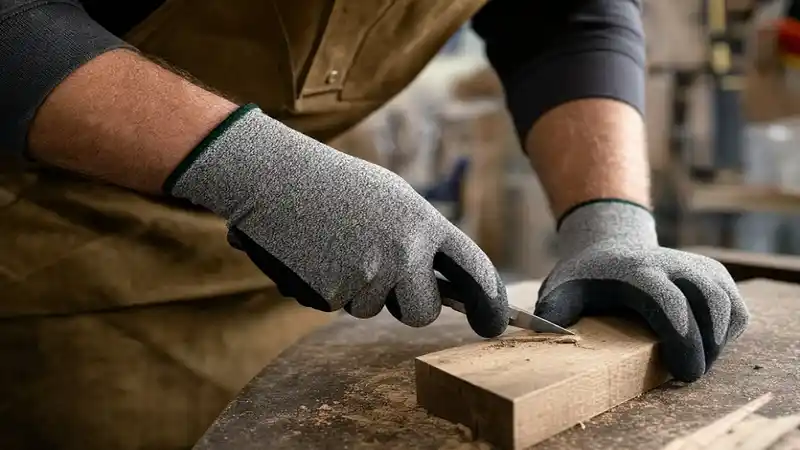
Cut-resistant gloves are one of those purchases that seem almost too sensible to be interesting. Until you’re working in your workshop trimming lengths of vinyl flooring to size with a box cutter, handling awkwardly shaped pieces of sheet metal, breaking down old boards for a future DIY project, or picking up pieces of glass or tile after making a difficult cut with an angle grinder.
Cut-resistant gloves aren’t sexy. They won’t expand your woodworking capabilities overnight, or add much pizzazz to your garage maker space. But when it comes to working with sheet metal, using a utility knife to cut ceramic tile, or assembling projects with lots of small components (think electronics), it’s nice to know you’ve got an extra layer of protection between your hands and the hazards.
Matching Gloves to the Task
Just as there are many different types of cut-resistant gloves, there are many different tasks that can benefit from wearing them. You’ll want to think about the type of project you’re planning to wear cut-resistant gloves for, and shop accordingly. For example, while thicker gloves are better for handling lumber, they may get in your way for more delicate tasks like working with small electronic components. Similarly, while you may be fine handling wire and cable with thinner, more form-fitting cut-resistant gloves, you might want something with a little more heft for handling sheet metal brackets.
Here’s a quick rundown of potential projects or materials that might call for cut-resistant gloves:
- Working with sheet metal or metal brackets
- Cutting tile, stone, or glass
- Cutting with a utility knife or box cutter
- Handling scrap wood or other materials that might splinter
- Working with small components
What Do Cut Ratings Really Tell You?
Most cut-resistant gloves will advertise their cut rating in some form; www.en.wikipedia.org/wiki/Cut-resistant_gloves provides a jargon-free overview. In a nutshell, cut ratings refer to how resistant the glove’s material is to being cut during standardized testing. In general, the higher the cut rating, the more protection the glove will offer against sharp edges, but the less flexible and breathable it is likely to be.
Cut-resistant glove materials and ratings
Fit, Materials, and Daily Use
It’s surprisingly easy to get a pair of cut-resistant gloves that don’t fit just right. Too loose, and you won’t have as much dexterity as you need for delicate work. Too tight, and they can chafe or tire out your fingers. This is especially tricky when you’re shopping online and can’t try a few different sizes in person.
Fortunately, most glove manufacturers include a sizing guide. Order Cut-Resistant Gloves Online with careful attention to sizing, because fit affects dexterity. We recommend taking the time to follow it instead of simply going with your standard shirt or shoe size. Pay particular attention to the palm circumference and hand length, if provided. If you’re planning on doing delicate work, you’ll want a glove that fits snugly around the palm and fingers.
The length of the cuff can also make a difference. Longer cuffs can offer extra protection around the wrist, which can be helpful if you’re dealing with materials that have sharp edges. On the other hand, shorter cuffs can make it easier to slip your hands in and out of the gloves, or avoid interference with a watch or shirt cuff.
Choosing Materials
Once you’ve determined how much cut protection you need, take a look at the materials the glove is made from. Depending on what you’ll be using them for, you might need to consider:
Grip: Will you be dealing with slick materials like metal, plastic, glass, or tile? If so, you might want to consider a glove with a palm coating for extra grip. Some coated gloves are also better than others at providing grip in dusty conditions.
Breathability: Will you be wearing the gloves for extended periods of time? If so, you might want to prioritize a more breathable knit material so your hands don’t overheat.
Ease of cleaning: Some gloves are easier to clean than others. If you plan on reusing your gloves, it’s worth double checking that they can be washed, and that the washing process won’t diminish their cut protection. When in doubt, replace your gloves if they start to tear, become stiff, or are particularly dirty or greasy.
Keep in mind that cut-resistant gloves are just that: resistant. They won’t necessarily protect you from getting cut if you put your hands in the line of fire, so be sure to maintain safe cutting practices (like securing your materials before making a cut). And be mindful of moving parts: Gloves that are too big can pose a risk around rotating equipment.
Pro Tip: Cut-resistant gloves can be a valuable tool for staying safe, but they’re only helpful if you remember to use them! We recommend keeping them somewhere convenient, like with your other tools or materials. If multiple people in your household do DIY projects, it might be worth keeping more than one pair around so everyone has access to a clean set. Finally, be sure to check your gloves for wear and tear before each use. Pay particular attention to the fingertips, palms, cuffs, and seams. See More